
Flat and low-slope roofs behave very differently in Seattle than they do in drier or hotter parts of the country. Long stretches of rain, frequent ponding, shaded roof surfaces, and steady moisture exposure all put pressure on roofing systems in ways that aren’t always visible from the ground.
That’s why many commercial buildings, multi-family properties, and modern homes across the city rely on TPO roofing. It’s designed for low-slope conditions where water doesn’t naturally shed quickly, and where seams, drainage, and membrane flexibility matter more than surface appearance.
This page explains what TPO roofing is, why it performs well in Seattle’s climate, where it’s commonly used, and how long it realistically lasts in the Pacific Northwest. Rather than focusing on brand hype or isolated features, the goal here is to help you understand how TPO functions as a system—and whether it aligns with the demands of your building, your budget, and your long-term plans.
Key Takeaways
- TPO roofing in Seattle typically lasts 20–30 years when properly designed, installed, and maintained.
- Seattle’s moderate temperatures and low extreme heat help TPO membranes age more slowly than in hotter climates.
- Membrane thickness and system design matter—thicker TPO generally handles wear, foot traffic, and exposure better.
- Warranties indicate coverage, not lifespan; many well-maintained TPO roofs perform beyond warranty periods.
- Regular maintenance is critical in Seattle’s wet climate, especially keeping drains and low areas clear to prevent ponding.
- Annual inspections and post-storm checks help catch seam, flashing, or puncture issues early.
- Premature failure is usually tied to avoidable factors, such as poor installation, clogged drainage, excessive foot traffic, or improper repairs.
- When installation quality, drainage, and maintenance align, TPO roofs in Seattle consistently reach the upper end of their service-life range.
What is TPO Roofing?
TPO roofing—short for thermoplastic polyolefin—is a single-ply membrane roofing system most commonly used on flat and low-slope roofs.
In Seattle, TPO is widely installed on commercial buildings, multifamily properties, and modern residential structures where roof pitches are too low for traditional shingle systems to manage water effectively.
TPO membranes are engineered to perform as a continuous waterproof surface, rather than relying on overlapping components.
This design is particularly relevant in Seattle, where prolonged rain, limited drying time, and ponding water place constant stress on low-slope roofing assemblies.
The material itself blends flexibility with structural stability, allowing the membrane to accommodate thermal movement and surface loading without cracking or becoming brittle.
That balance is important in a climate where roofs routinely experience temperature fluctuations combined with extended moisture exposure.
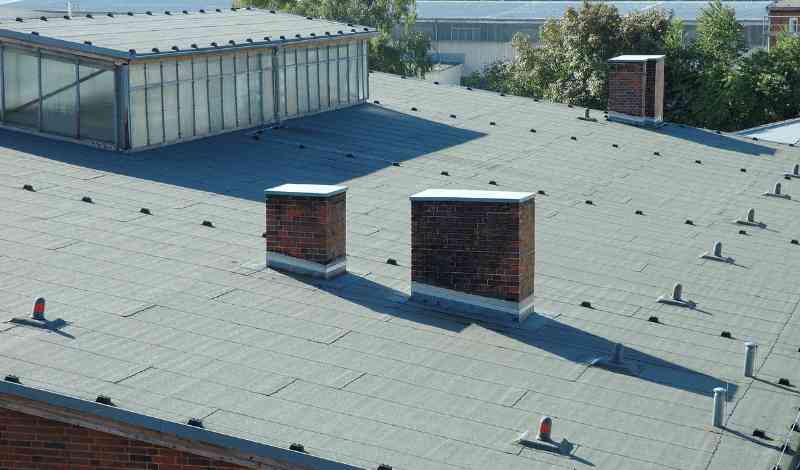
A defining characteristic of TPO roofing is its light-colored, reflective surface. Rather than absorbing solar radiation, the membrane reflects a portion of sunlight, which helps moderate rooftop temperatures during Seattle’s clearer summer periods.
This reflective behavior also reduces long-term surface stress caused by UV exposure.
Because of its balance of flexibility, moisture resistance, and reflectivity, TPO has become one of the most commonly specified membrane systems for low-slope roofs across commercial and mixed-use buildings.
Its performance depends on how well the entire roofing system—membrane, seams, insulation, and drainage—works together to manage water over time.
Why TPO Roofing is Popular in Seattle
TPO roofing has become widely used across Seattle because it aligns well with the city’s persistent moisture, moderate temperature swings, and prevalence of low-slope roof designs. Its popularity is driven by system behavior rather than trend, particularly in environments where water management is a constant concern.
Performance in Seattle’s Rainy Climate
Seattle’s extended wet season places continuous pressure on flat and low-slope roofs. TPO functions as a continuous waterproof membrane, reducing reliance on overlapping materials or gravity-driven shedding alone.
Its smooth surface discourages prolonged moisture retention, which is critical in shaded or slow-drying roof areas. In addition, the material remains flexible across seasonal temperature shifts, helping the roof surface accommodate expansion and contraction without becoming brittle.
These characteristics allow TPO roofing systems to perform consistently under long-duration rainfall and repeated moisture exposure, which define much of Seattle’s climate.
Resistance to Ponding Water and Moisture
Ponding water is a common challenge on low-slope roofs in Seattle. TPO roofing addresses this condition by forming a unified surface that limits pathways for water intrusion, even when water remains on the roof for extended periods.
Rather than depending on layered overlaps, the system relies on surface continuity to resist moisture migration. This makes TPO particularly suited to buildings where drainage is gradual and water exposure is frequent.
Effective ponding resistance depends on how the entire roofing assembly manages water movement rather than on the membrane alone.
Energy Efficiency in Overcast Conditions
Although Seattle is known for cloud cover, light-colored TPO membranes reflect a portion of ambient solar energy, which helps moderate rooftop temperature fluctuations. This reflective behavior reduces surface heat buildup compared to darker roofing materials, even under diffuse light conditions.
By limiting temperature extremes at the roof surface, TPO can contribute to more stable interior conditions, particularly in buildings with large roof areas.
Suitability for Low-Slope and Flat Roofs
Low-slope and flat roofs are common throughout Seattle’s commercial and multifamily building stock. TPO roofing is specifically designed to perform on these roof geometries, where traditional pitched-roof materials are ineffective.
The membrane integrates cleanly with typical roof substrates and insulation assemblies used in the region, allowing the roofing system to adapt to varied building layouts and penetrations.
Because of this adaptability, TPO is frequently selected where roof complexity, drainage constraints, and long-term moisture exposure intersect.
TPO Roofing Applications in Seattle
TPO roofing is widely used across Seattle because it aligns well with the region’s building types and the demands of low-slope roof design. Its suitability depends on roof geometry, drainage behavior, and how the building is used, rather than on a one-size-fits-all approach.
Common applications include:
- Commercial buildings and office parks
- Modern homes with flat or low-slope roofs
- Apartment and condominium buildings
- Townhome complexes and mixed-use developments
- Warehouses, distribution centers, and light industrial facilities
- Retail plazas and standalone commercial spaces
TPO is applied on both new construction and reroofing projects where extended moisture exposure and slow drainage are defining constraints.
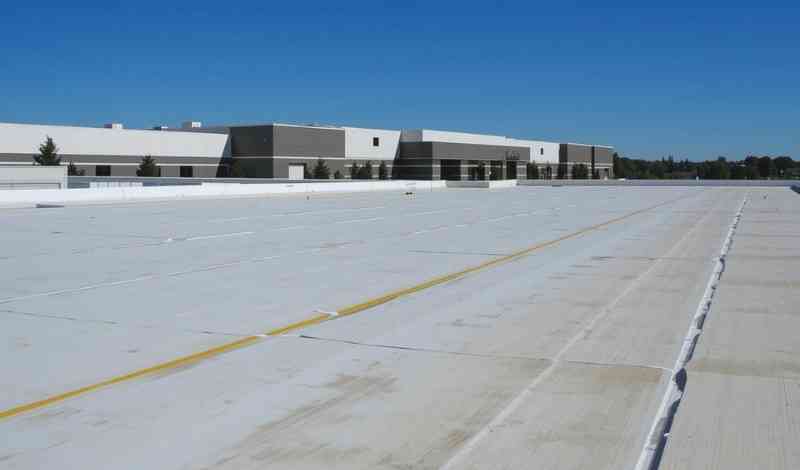
Commercial TPO Roofing
On commercial properties, TPO roofing is frequently specified because it performs as a continuous membrane system across large roof areas. These buildings often include numerous penetrations, mechanical units, and internal drainage points, all of which place emphasis on surface continuity and water management.
Commercial roof layouts in Seattle tend to be complex, and TPO’s adaptability to varied penetrations and transitions supports consistent performance under frequent rain. Its use is driven by how well the system accommodates foot traffic, rooftop equipment, and repeated access, rather than by appearance alone.
Residential Flat & Low-Slope Roofs
TPO roofing is increasingly used on residential structures that feature flat or low-slope roof sections, such as contemporary homes, additions, and detached accessory dwellings. In these applications, traditional shingle systems are not suitable due to drainage limitations.
TPO provides a unified roof surface that integrates cleanly with modern exterior materials and architectural lines. Its relatively low profile allows it to function as a discreet roof covering where visual simplicity and water control are priorities.
Apartment Buildings and Multi-Family Properties
Multi-family buildings in Seattle place heightened importance on system-wide waterproofing, as roof failures can affect multiple units simultaneously. TPO membranes are commonly selected for these properties because they create a continuous barrier across expansive roof fields.
These roofs typically experience frequent service activity related to utilities, ventilation, and building maintenance. TPO’s surface characteristics allow it to accommodate repeated access when integrated thoughtfully into the overall roof assembly.
Because many multi-family properties share similar roof configurations, TPO is often used to maintain consistency across portfolios where uniform roof behavior is preferred.
Warehouses and Retail Buildings
Warehouses and retail buildings frequently feature large, open roof expanses that remain exposed to Seattle’s prolonged rain cycles. TPO roofing is well-suited to these conditions because it manages water across wide spans without relying on steep slopes.
The membrane’s reflective surface behavior also helps moderate rooftop temperature variation on large footprints, supporting stable interior conditions in buildings with significant roof exposure.
For properties with long roof runs and internal drainage systems, TPO provides a practical solution that aligns with functional performance requirements rather than architectural detailing.
TPO Roofing Cost in Seattle
TPO roofing in Seattle is generally positioned as a mid-range option among low-slope roofing systems. While it is not the least expensive flat roofing material available, it is often selected because its performance characteristics align well with Seattle’s persistent rain, slow drainage, and common commercial roof designs.
Actual project cost varies widely and is influenced far more by roof configuration, detailing complexity, and system components than by the membrane itself. As a result, TPO pricing in Seattle is best understood in relative terms rather than as a fixed figure.

Factors That Affect TPO Roofing Pricing
Several variables influence the overall scope and cost of a TPO roofing project in Seattle:
- Roof size and geometry: Larger roof areas and irregular layouts require more materials and labor coordination.
- Number of penetrations and transitions: Vents, mechanical units, skylights, curbs, and parapet walls increase detailing requirements on low-slope roofs.
- Insulation assembly: Low-slope roofing systems rely heavily on insulation layers to support drainage, thermal control, and membrane performance.
- Membrane profile and system design: Thicker or reinforced membrane systems introduce additional handling and detailing considerations.
- Deck condition and preparation: Existing substrate condition can expand the project scope once the roof surface is exposed.
- Access and site constraints: Dense urban locations, limited staging space, or multi-story access affect labor planning and logistics.
In Seattle, complex roofs tend to drive pricing more than the material category alone, especially where water control details must be executed precisely.
TPO vs Other Flat Roofing Costs in Seattle
Within Seattle’s flat roofing market, TPO typically sits between entry-level and premium membrane systems. It is often evaluated alongside other single-ply and modified roofing options based on how each system manages moisture, seams, and long-term exposure rather than on upfront cost alone.
Compared to some alternatives, TPO offers a balance of reflectivity, welded seams, and system continuity, which influences how owners assess value over time in a wet climate. Rather than being the cheapest option, TPO is frequently chosen because it aligns cost with predictable performance under prolonged rainfall and ponding conditions.
How Long Does TPO Roofing Last in Seattle?
TPO roofing in Seattle typically lasts 20 to 30 years when the system is properly designed, installed, and maintained. Seattle’s mild temperatures and limited extreme heat help TPO membranes age more slowly than in hotter, high-UV regions, allowing them to remain flexible and watertight for longer periods.
Expected Lifespan of TPO Roofs
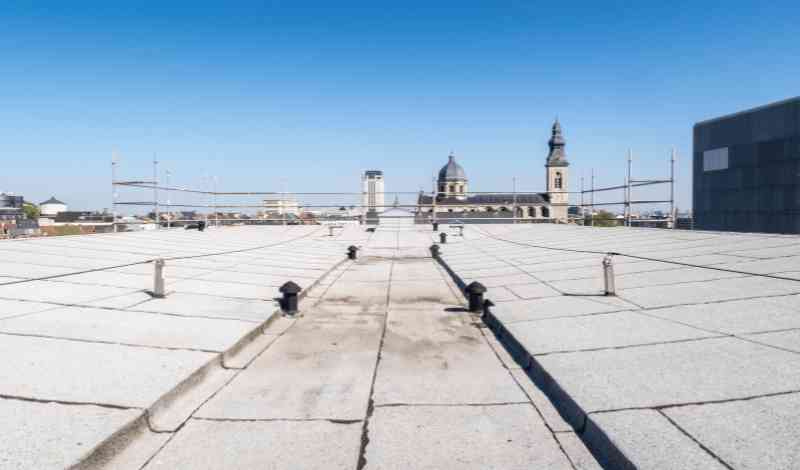
Across the roofing industry, TPO lifespan is often quoted broadly, but in the Pacific Northwest, the range narrows when installation quality and maintenance are consistent. In Seattle, well-executed TPO systems commonly reach 20 to 25 years, with some extending closer to 30 years under favorable conditions.
Membrane thickness and overall system design influence durability. Thicker membranes generally tolerate wear, foot traffic, and long-term exposure better than thinner options. Manufacturer warranties provide a baseline for coverage, but they do not represent an absolute service-life limit. Many TPO roofs continue performing beyond their warranty period when inspections and repairs are handled proactively.
Seattle’s moderate climate supports this longevity. TPO’s flexibility allows it to expand and contract with seasonal temperature changes without cracking, while heat-welded seams remain among the strongest parts of the roof assembly.
Maintenance Requirements in Wet Climates
Maintenance plays a defining role in how long a TPO roof lasts in Seattle. While TPO resists algae and mold better than many flat-roof materials, standing water and debris buildup can still shorten its lifespan if ignored.
Regular removal of leaves, needles, and debris from drains, scuppers, and low areas helps prevent long-term ponding. Periodic inspections—especially after major wind or winter weather—allow small seam issues, flashing movement, or punctures to be corrected before moisture reaches insulation or decking.
For most Seattle-area buildings, annual professional inspections, supplemented by routine cleaning, are sufficient to preserve TPO performance over decades.
Common Causes of Premature TPO Failure
- Inadequate installation, including weak seams or poorly detailed penetrations
- Excessive foot traffic without designated walk paths
- Clogged drainage leading to chronic ponding of water
- Improper repairs using incompatible materials
- Mechanical damage from rooftop equipment or construction activity
- Trapped moisture beneath the membrane due to ventilation or substrate issues
These risks are typically managed through proper system design, experienced installers, and a clear maintenance plan aligned with Seattle’s rainfall patterns and building use.
Conclusion: Is TPO a Smart Roofing Choice for Seattle?
TPO roofing works well in Seattle because it addresses the realities most flat and low-slope roofs face here: persistent rain, limited drying time, ponding water, and frequent rooftop activity. When designed correctly, it provides a watertight, flexible membrane that resists moisture intrusion while supporting modern insulation and drainage requirements.
That said, TPO is not a one-size-fits-all solution. Its long-term performance depends heavily on installation quality, drainage design, membrane thickness, and ongoing maintenance. In Seattle’s wet climate, even small oversights—like clogged drains or poorly welded seams—can shorten the lifespan of an otherwise durable system.
For buildings that need a balance between cost control, energy efficiency, and predictable service life, TPO often fits well. For others, alternative flat roofing systems may make more sense depending on chemical exposure, foot traffic, or long-term ownership goals.
Understanding how TPO behaves in Seattle’s conditions—rather than relying on generic lifespan claims or national averages—puts you in a stronger position to make informed roofing decisions. With proper planning and upkeep, TPO can remain a reliable, low-slope roofing solution through decades of Pacific Northwest weather.