
Torch down roofing is one of the most commonly used flat roofing systems in Seattle, especially on buildings where constant moisture, limited slope, and complex roof layouts make traditional roofing materials impractical.
Because Seattle sees long wet seasons, slow drying conditions, and frequent rain, flat and low-slope roofs need systems that focus on continuous waterproofing, not just surface protection. Torch down roofing is designed with that goal in mind, which is why it’s widely used on residential additions, multifamily buildings, and commercial properties throughout the city.
This page explains what torch down roofing is, the main system types, why it performs well in Seattle’s climate, and how to tell if it’s the right fit for your property. Rather than diving into technical installation details, the goal here is to give you a clear, practical overview so you can make informed decisions and know when deeper evaluation is needed.
Key Takeaways
- Torch down roofing is a modified bitumen system designed for flat and low-slope roofs, creating a sealed, watertight surface well suited to Seattle conditions.
- Seattle’s wet climate favors continuous waterproofing, and torch down roofing performs well against rain, moisture buildup, and limited drying time.
- APP and SBS systems offer different strengths, so the right choice depends on roof design, movement, and how the building is used.
- Costs vary based on roof size, layers, access, and local factors, making torch down a mid-range option among flat roofing systems.
- Proper installation and drainage are critical to long-term performance on flat roofs.
- Torch down works best on flat or low-slope residential, multifamily, and commercial roofs, but isn’t ideal for steep slopes, heavy foot traffic, or decorative roof designs.
What Is Torch Down Roofing?
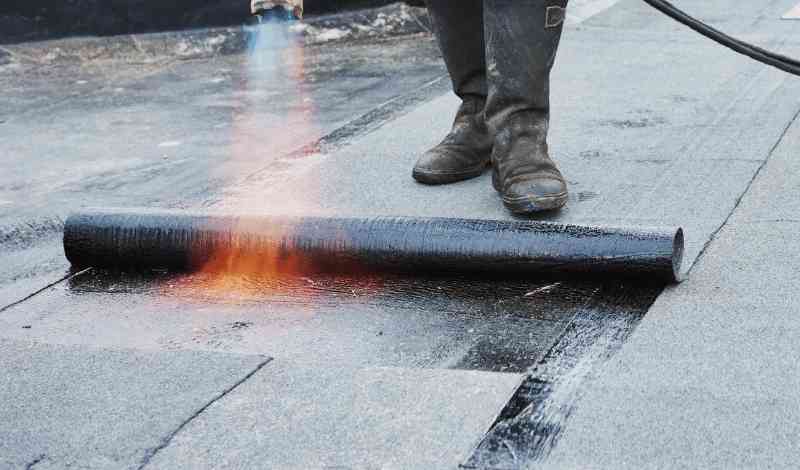
Torch down roofing is a type of flat or low-slope roof system designed to create a continuous, watertight surface. It’s built around modified bitumen membranes that are heat-bonded to the roof, forming a sealed layer that helps manage ongoing moisture exposure.
In simple terms, a torch down roof works by bonding a waterproof membrane directly to the roof surface using heat. Once applied, the membrane acts as a unified barrier rather than a series of overlapping materials. That seamless bond is one reason torch down roofing is commonly used in areas that experience frequent rain.
This roofing system is especially well-suited to Seattle’s climate, where roofs are exposed to long wet seasons, slow drying conditions, and occasional ponding water on flat surfaces. Instead of relying on fasteners or exposed seams alone, torch down roofing forms a tightly bonded membrane that helps limit water intrusion over time.
Why Torch Down Roofing Works Well in Seattle’s Climate
Seattle weather isn’t extreme in one direction — it’s consistently wet. Long rainy seasons, steady drizzle, occasional heavy storms, and slow roof drying times put flat and low-slope roofs under constant pressure. That’s where torch down roofing tends to make sense.
On flatter roof designs, water doesn’t move off the surface quickly. Ponding and slow drainage are common, especially in neighborhoods with older homes or dense development.
Torch down roofing is designed to form a continuous waterproof surface, which helps manage prolonged moisture exposure rather than relying on lots of exposed seams or fasteners.
Another reason torch down performs well here is how the seams are bonded. Instead of depending on adhesives alone, the membrane sections are fused together, reducing the number of vulnerable points where water can work its way in.
In a climate like Seattle’s — where rain often comes with wind — fewer seams generally means fewer opportunities for leaks to develop over time.
Temperature changes also play a role, even in a relatively mild climate. Seattle may not see dramatic swings every day, but seasonal shifts still happen.
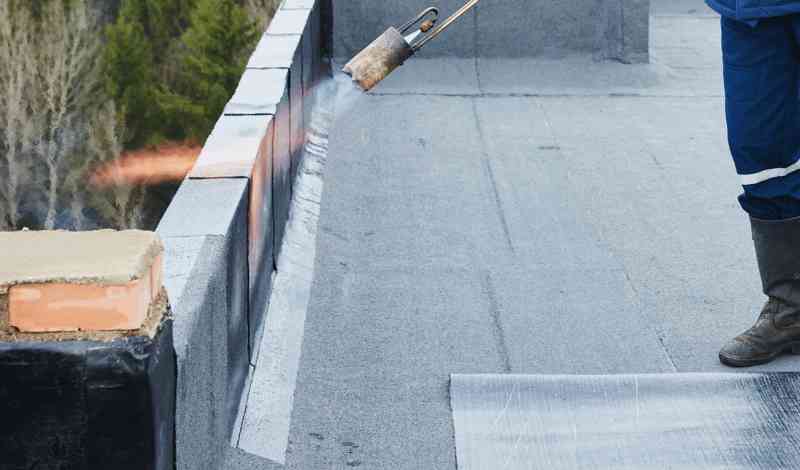
Cold winter nights, warmer summer afternoons, and occasional freeze-thaw cycles can cause roofing materials to expand and contract. Torch down roofing is known for remaining flexible, which helps it adapt to those gradual movements without stressing the surface.
Sun exposure isn’t the first thing most people think about in Seattle, but it still matters. Longer summer days and UV exposure can slowly break down roofing materials.
Many torch down systems are designed with surface protection that helps resist UV-related wear, which can be beneficial on roofs that see consistent summer sunlight.
All of these factors influence why torch down roofing is frequently considered in Seattle, especially on flat and low-slope roofs where moisture, movement, and exposure tend to overlap.
Types of Torch Down Roofing Systems
Torch down roofing isn’t a one-size-fits-all system. In Seattle, it generally falls into a few broad categories, each suited to different roof designs, usage patterns, and exposure conditions.
At a high level, torch down roofing systems are typically defined by the type of modified bitumen used and how many layers are installed.
The two most common modified bitumen types are:
- APP modified bitumen
- SBS modified bitumen (often referred to as “hybrid” systems)
From there, systems are usually installed as either:
- Single-ply torch down, which uses one primary membrane layer
- Multi-ply torch down, which combines multiple layers for added thickness and redundancy
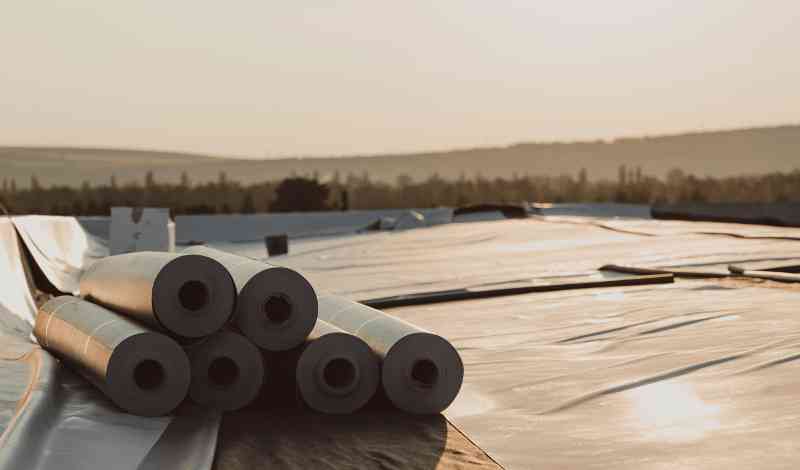
Torch down membranes also come in different surface finishes, including smooth and granulated options, which affect appearance and how the roof surface handles sun exposure and foot traffic.
Rather than thinking in terms of “better” or “worse,” it’s more helpful to view these options as different tools for different flat-roof situations.
APP Modified Bitumen Torch Down
APP modified bitumen is one of the common torch down options used on flat and low-slope roofs. It’s known for maintaining shape and stability during warmer conditions and is often selected for roofs that receive consistent sun exposure.
In Seattle, APP torch down systems are frequently seen on:
- Commercial or light-industrial buildings
- Residential flat roof sections such as additions or rooftop decks
APP membranes are available in both smooth and granulated finishes and can be used in single-ply or multi-ply configurations depending on the needs of the roof.
This type of system is often chosen when a straightforward, durable waterproof membrane is the priority.
SBS Modified Bitumen Torch Down (Hybrid Systems)
SBS modified bitumen is designed with added flexibility in mind. That flexibility makes it a common choice for roofs that experience more movement, transitions, or complex layouts.
In and around Seattle, SBS torch down is often considered for:
- Roofs with multiple penetrations or design changes
- Older structures where framing movement is more likely
- Multifamily or commercial buildings with mechanical equipment on the roof
SBS systems can also be installed as single-ply or multi-ply assemblies, with multi-layer systems often preferred when added durability is needed.
Like APP, SBS membranes are available in different finishes and configurations, allowing them to be adapted to a wide range of flat-roof designs.
Choosing the Right Torch Down System
The “right” torch down roofing system depends on several factors, including roof layout, slope, usage, and exposure — not just the membrane type alone.
Because of that, torch down roofing is best evaluated as a system choice, not just a material decision. Matching the system to the roof’s design and environment is what ultimately determines long-term performance.
Torch Down Roofing Cost in Seattle
Torch down roofing in Seattle typically falls into a mid-range price category for flat and low-slope roofs. It’s generally more expensive than basic pitched-roof materials, but often more affordable than higher-end commercial flat roofing systems.
Pricing varies widely because torch down roofing isn’t a single product — it’s a system. Costs change based on how the roof is built, how many layers are used, and how accessible the roof is for installation.
In most cases, homeowners will see pricing influenced by:
- The number of membrane layers selected
- The total roof area and layout
- Access and safety requirements, especially on taller buildings
- The amount of prep or tear-off involved
Multi-layer systems tend to cost more upfront than simpler assemblies, but they’re often chosen for roofs that see more foot traffic, standing water, or long-term exposure to Seattle’s wet conditions.
You may also hear roofing contractors talk in terms of “squares” rather than square feet. This is simply a roofing measurement used for estimating materials and labor, and doesn’t change the overall scope or complexity of the project.
When comparing torch down to other roofing options in Seattle, it’s important to remember that flat and low-slope roofs require different systems than traditional pitched roofs. While some materials may appear cheaper on paper, they’re not always suitable for flat applications or long-term moisture exposure.

Several local factors also affect torch down roofing costs in the Seattle area:
- Labor availability and experience with low-slope systems
- Permit and inspection requirements, which vary by city
- Removal and disposal of existing roofing materials
- Material specifications, such as membrane thickness and surface finish
Because of these variables, torch down roofing costs are best understood as a range shaped by roof conditions, not a fixed price per square foot.
For an accurate estimate, the roof design, drainage, and exposure need to be evaluated together rather than relying on generic pricing averages.
Is Torch Down Roofing Right for Your Seattle Property?
Torch down roofing can be a strong option for many Seattle properties, but it’s not a universal fit. It works best in specific situations, particularly where roof design and climate exposure align with what the system does well.
The biggest deciding factor is roof slope. Torch down roofing is designed for flat and low-slope roofs, not steep, pitched designs. Homes with traditional gable or hip roofs typically need very different roofing systems, while flat sections, additions, and low-slope structures are where torch down is most often considered.
Seattle’s climate also plays a role. Long wet seasons, slow drying conditions, and frequent rainfall favor roofing systems that focus on continuous waterproofing rather than water shedding alone. Torch down roofing is commonly chosen in these conditions because it forms a sealed membrane instead of relying on overlapping materials.
Another consideration is how the roof will be used. Torch down performs well on roofs that primarily need to stay watertight, but it isn’t intended to serve as a finished walking surface or recreational space without additional protection.
A helpful way to think about suitability is to step back and look at how your roof functions:
- Is the roof flat or nearly flat?
- Does it deal with frequent moisture exposure?
- Is the goal durability and water protection rather than appearance?
- Will the roof see limited foot traffic?
If the answer to most of those questions is yes, torch down roofing is often worth considering.
Where Torch Down Roofing Tends to Make Sense
Torch down roofing is commonly used on flat or low-slope structures where reliable moisture protection is the top priority.
These often include:
- Commercial buildings with rooftop equipment or penetrations
- Multifamily properties with shared low-slope roofs
- Garages, additions, and accessory structures with flat sections
- Residential designs where shingles are not suitable due to slope
In these situations, the system’s sealed surface helps manage water exposure and reduce leak risks around vents, drains, and transitions.
Situations Where Torch Down May Not Be the Best Fit
Torch down roofing isn’t ideal for every property, even in Seattle’s climate.
It’s generally not suitable for:
- Steep-slope roofs designed for traditional shingles
- Roofs intended for frequent foot traffic or deck use
- Projects where appearance from the street is a primary concern
- Properties with site constraints that limit the use of heat-applied systems
In some cases, alternative flat roofing systems may better match local code requirements, building design, or long-term plans for roof use
Final Thoughts
Torch down roofing continues to be a reliable option for many Seattle properties, particularly where flat or low-slope roofs need dependable moisture protection without unnecessary complexity.
The key is understanding how the system works, where it performs best, and when another flat roofing option may be more appropriate. Torch down roofing isn’t about being the most advanced or expensive solution — it’s about matching the roof system to the building, the environment, and long-term expectations.
If you’re considering torch down roofing for a Seattle-area property, a professional evaluation from Elite Gold Contractors can help confirm whether it’s the right approach based on roof design, exposure, and intended use. Our experience with flat and low-slope roofing in Seattle enables homeowners and property managers to move forward with confidence, rather than relying on guesswork.