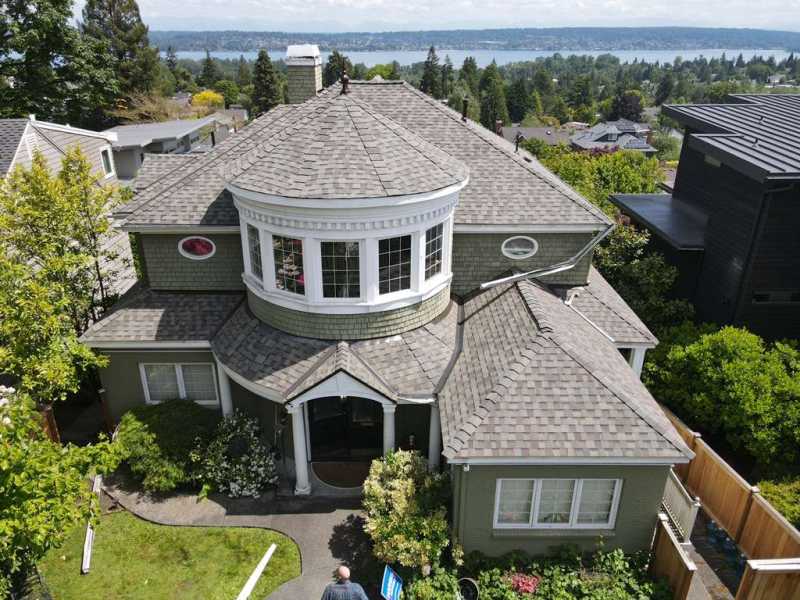
Roofs in Seattle wear down gradually under constant moisture, limited sun exposure, and mild but persistent weather conditions. Over time, these factors affect how roofing materials dry, expand, and age.
If you own a home in Seattle, you may notice moss growth, uneven shingle wear, or recurring maintenance needs.
This article explains how Seattle’s climate contributes to roof deterioration and what homeowners should understand about long-term exposure. Related planning considerations are covered in more detail on our Roof Replacement in Seattle page.
If you need roofing services or are assessing how Seattle’s climate is affecting your roof, Elite Gold Contractors can provide guidance based on local conditions.
Key Takeaways
- Seattle’s cool, wet climate keeps roofs damp for long periods, accelerating material wear even without major storms.
- Persistent moisture, limited sunlight, and high humidity promote moss growth, rot, and premature shingle deterioration.
- Freeze–thaw cycles and seasonal temperature swings create small cracks that gradually turn into leaks.
- Poor attic ventilation traps moisture inside the roof system, leading to condensation, mold, and structural damage.
- Older Seattle homes are especially vulnerable due to outdated ventilation and moisture-control designs.
- Regular inspections, proper ventilation, and moisture-resistant materials significantly extend roof lifespan in Seattle’s climate.
Understanding Seattle’s Climate Conditions
Seattle sits in a cool marine climate defined by frequent cloud cover, light rain, and consistently moist air. While extreme heat and heavy snow are rare, the lack of long, dry periods quietly accelerates roof wear.
Unlike drier regions, Seattle roofs rarely receive enough sustained sunlight to fully dry. Roofing materials stay damp longer, causing faster deterioration beneath the surface.
Persistent Rainfall and Limited Drying Time
Seattle averages 150+ rainy days per year, mostly drizzle rather than heavy storms. Roofs get wet, pause briefly, then get wet again—often before they’ve had time to dry.
Moisture remains trapped beneath shingle layers, especially on north-facing and shaded slopes. Over time, this leads to mold growth, wood rot, and premature shingle and underlayment failure. Older homes commonly show dark staining and soft wood where moisture has lingered for years.
High Humidity and Moisture Retention
Even when the rain stops, high humidity slows evaporation, allowing moisture to remain around fasteners and beneath shingles. Over time, water migrates into the underlayment and roof decking.
Poor attic ventilation worsens the issue. Warm indoor air condenses on cool roof decking, causing rusted nails, damp insulation, musty odors, and increased organic growth—often resulting in earlier repairs or replacement.
Dense Tree Coverage and Shade
Seattle’s mature tree canopy blocks sunlight and slows roof drying. A sun-exposed slope may dry the same day, while shaded north-facing sections can remain damp for days.
Falling debris clogs gutters and valleys, causing water to back up along eaves and chimneys. With limited sunlight and constant moisture, moss and algae thrive—lifting shingles and trapping even more water against the roof surface.
Seattle Microclimate Overview
| Seattle Microclimate Area | Typical Conditions | Impact on Roof Wear |
|---|---|---|
| Near Puget Sound (e.g., Alki) | Wind, salt air, steady moisture | Faster shingle erosion, flashing corrosion |
| Heavily Treed Hills (e.g., Madrona) | Deep shade, dripping trees, slow drying | Heavy moss growth, rot risk, reduced roof lifespan |
| Urban Core (Downtown / Capitol Hill) | Less shade, frequent fog, and light rain | Gradual material breakdown, lower moss growth |
How Moisture Accelerates Roof Material Breakdown
Seattle’s long wet season keeps roofing materials damp, accelerating wear across the entire roof system.
Moisture weakens adhesives and sealants that secure shingles, flashing, and membranes. Repeated wet–dry cycles cause seams—especially around vents, chimneys, and skylights—to fail earlier than in drier climates.
Moisture also drives expansion and contraction. Shingles, flashing, plywood, and fasteners move as they absorb and release moisture, stressing nail holes, sealant joints, and small cracks.
Once moisture enters the roof assembly:
- Wood becomes vulnerable to rot
- Metal components corrode
- Insulation loses R-value and supports mold
- Framing becomes prone to decay
Wet insulation disrupts attic temperatures, while soaked decking loses fastener grip, allowing deeper water intrusion.
As these issues spread through the roof system, localized repairs become less reliable, and homeowners often start evaluating full replacement.
In these situations, understanding roof replacement cost in Seattle helps determine whether ongoing repairs or replacement is the more practical long-term option.
Shingle Deterioration and Granule Loss
Moisture washes away protective shingle granules, especially near valleys, eaves, and downspouts. In Seattle, this happens almost daily during fall and winter.
As granules disappear, exposed asphalt deteriorates faster from moisture, temperature swings, and UV exposure—even on cloudy days. Shingles become brittle, curl, and crack.
Curled edges allow wind-driven rain beneath shingles, often revealing leaks only after years of hidden damage.
Underlayment Saturation Risks
Underlayment acts as backup waterproofing, but degrades when it stays wet. Older felt underlayment absorbs moisture and breaks down, while synthetic materials also fail under prolonged exposure.
Trapped moisture encourages mold and rot, especially on shaded roofs. Once the underlayment fails, leaks often appear far from the entry point and long after damage begins.
Decking and Structural Stress
Repeated saturation causes decking to swell, delaminate, and weaken. Wind-driven rain often soaks the same areas beneath lifted shingles or poorly sealed valleys.
Early signs include soft spots and subtle roofline dips. Left unchecked, decay can spread and lead to structural failure under added loads.
Routine attic and roof inspections catch moisture damage early—before repairs become extensive and costly.
Moss, Algae, and Organic Growth: A Seattle-Specific Threat
Seattle’s cool temperatures, frequent rain, and heavy tree cover create ideal conditions for moss, algae, and lichen. These growths trap moisture against shingles and wood, accelerating material decay and shortening roof lifespan.
Because Seattle’s climate consistently favors moss and algae, material choice plays a major role in how well a roof resists organic growth over time.
Homeowners comparing options should understand how different systems perform in these conditions, which is explained in detail in our article on the best roofing materials for Seattle’s rainy and moss-prone climate.
Why Moss Thrives on Seattle Roofs
Persistent moisture and shade allow moss to establish quickly. From fall through spring, many Seattle roofs remain damp—especially those shaded by firs, cedars, and maples—leaving little opportunity to dry.
Moss spores spread easily through wind and rain, settling into the granule layer of shingles. Once established, root structures anchor into shingle surfaces and between layers, holding additional moisture and debris.
Growth is heaviest on north-facing and shaded roof sections where limited sunlight keeps surfaces cool and wet, allowing moss and algae to persist year after year.
How Organic Growth Shortens Roof Lifespan
Moss, algae, and lichen damage roofs mechanically and chemically. Roots wear away shingle granules and wood fibers, while retained acidic moisture breaks down asphalt binders and wood over time.
As growth expands, it lifts shingle edges and tabs, allowing wind-driven rain to penetrate beneath the surface. Organic buildup also clogs valleys and gutters, causing water to pool instead of draining cleanly.
Left unmanaged, this leads to recurring leaks, accelerated deterioration, and premature roof replacement—often years earlier than in drier climates.
Why Cleaning Alone Doesn’t Solve the Problem
Surface cleaning improves appearance but does not address underlying moisture and shade. Without prevention, regrowth is inevitable.
Aggressive methods such as pressure washing or wire brushing strip granules, loosen shingles, and can void warranties. Spores and root fragments often remain, restarting growth during the next wet season.
Effective control combines gentle, manufacturer-approved cleaning with prevention:
- Trimming overhanging branches
- Maintaining clear gutters and drainage paths
- Applying moss treatments correctly
- Installing zinc or copper strips where appropriate
- Scheduling regular inspections, especially on shaded slopes
Long-term moss control in Seattle requires managing moisture and sunlight—not just removing what’s visible.
Freeze–Thaw Cycles and Seasonal Temperature Shifts
Seattle’s winter and shoulder seasons hover near freezing, causing roofs to cycle above and below 32°F several times per week. Water trapped in shingles, nail holes, and small cracks freezes, expands, and gradually forces materials apart. Rapid shifts from cold mornings to mild afternoons in spring and fall accelerate this fatigue.
| Season | Typical Pattern | Roof Impact |
|---|---|---|
| Late Fall | Wet storms, near-freezing nights | Early edge cracking, sealant stress |
| Winter | Light freezes, rain/snow mix | Nail movement, shingle blistering, ice dams |
| Early Spring | Cold nights, mild rain | Seam and flashing fatigue |
| Late Spring | Fewer freezes, heavy rain | Water exploits earlier damage |
Winter Moisture Expansion
In winter, shingles and decking absorb moisture from steady drizzle, especially on shaded and north-facing slopes. As temperatures drop overnight, this moisture freezes and expands, stressing fastener holes, seams, and shingle edges.
This rarely causes immediate failure but creates small cracks, lifted tabs, and faster granule loss. Over multiple winters, these micro-damages accumulate, loosening nails and weakening materials.
Ice dams can form even without heavy snow. Warm air escaping the home melts upper roof areas, while cold eaves refreeze runoff, forcing water backward beneath shingles. Proper insulation and balanced ventilation help prevent this by keeping attic temperatures closer to outdoor conditions.
Spring and Fall Stress Cycles
During spring and fall, roofs expand and contract daily as temperatures swing. Shingles, flashing, and sealants move at different rates, stressing joints and penetrations.
Over time, sealants crack, flashing gaps form, and fasteners loosen slightly. Seasonal rain then pushes water into these weak points, causing intermittent or hard-to-trace leaks.
Because damage develops gradually, spring and fall inspections are critical. Catching early edge lifting, sealant failure, or nail movement allows for small repairs before larger problems develop.
Ventilation Challenges in Seattle Homes
Ventilation strongly affects roof lifespan in Seattle’s high-humidity climate. When warm indoor air meets cold, damp conditions, attics determine whether moisture escapes or becomes trapped inside the roof system.
Poor ventilation allows humid air to collect against cold roof sheathing, causing condensation on nails, rafters, and decking. This hidden moisture degrades roofing materials even when shingles appear undamaged.
Without balanced intake at the eaves and exhaust at the ridge or roof, moisture lingers. The result is a damp attic environment that accelerates mold, mildew, and wood rot—especially in shaded homes where roofs already dry slowly.
Proper ventilation helps by:
- Drawing in cooler air at soffits
- Exhausting moist air through ridge or roof vents
- Stabilizing attic temperatures to reduce freeze–thaw stress
- Limiting hidden mold that affects indoor air quality
Moisture Trapped Inside the Roofing System
Every day, household moisture rises into the attic, particularly when bathroom and kitchen fans vent indoors. In Seattle’s cool climate, this vapor readily condenses on cold roof decking.
Trapped moisture flattens insulation, lowers R-value, and allows wood decking and rafters to soften and corrode fasteners. Over time, mold develops on hidden framing, linking roof damage with indoor air quality issues.
Vapor barriers, properly ducted exhaust fans, and correctly sized ridge or roof vents move moisture outdoors before it can condense.
Why Older Homes Are More Vulnerable
Many older Seattle homes lack modern ventilation and moisture barriers. Small gable vents, layered roofing materials, and low-permeability underlayments trap humid air against aging wood decks.
Settled insulation and blocked vents keep attics cool, dark, and damp—conditions that accelerate rot, shorten shingle life, and increase storm-related damage.
Final Thoughts: Climate Awareness Leads to Better Roofing Decisions
Seattle’s climate is tough on roofs, but it doesn’t have to be unpredictable. Once you understand how constant moisture, limited sun, moss growth, freeze–thaw cycles, and ventilation issues quietly wear down roofing systems, the warning signs start to make sense.
The biggest difference for Seattle homeowners comes down to three key factors: selecting materials that handle moisture well, ensuring the roof and attic can properly dry out, and addressing minor issues before they escalate into structural problems.
In a climate like this, waiting usually costs more than acting early.
If you’re unsure how Seattle’s weather has been affecting your roof—or whether repairs or replacement make the most sense—getting professional guidance can save you time, money, and stress.
You can reach out to Elite Gold Contractors through our Contact Us page to schedule an inspection or ask questions about your roof’s condition. We’ll help you make a decision that actually fits Seattle’s climate, not just a generic recommendation.
Frequently Asked Questions
Why do roofs in Seattle wear out faster than in other areas?
Seattle’s frequent rain, high humidity, limited sunlight, and heavy tree cover keep roofs damp for long periods. This constant moisture prevents materials from fully drying and accelerates wear, even without extreme weather.
How does moisture actually damage a roof over time?
Moisture breaks down sealants and adhesives, washes away shingle granules, saturates underlayment, and weakens roof decking. Over time, this leads to cracking, curling shingles, rot, corrosion, and hidden structural damage.
Why is moss such a serious problem on Seattle roofs?
Moss thrives in Seattle’s cool, wet, and shaded conditions. It traps water against shingles, lifts shingle edges, blocks drainage, and allows moisture to penetrate deeper into the roof system, shortening roof lifespan.
How do freeze–thaw cycles affect roofs in Seattle?
When trapped moisture freezes, it expands and widens small cracks in shingles and flashing. Repeated freeze–thaw cycles weaken materials over multiple seasons, leading to leaks, nail movement, and edge lifting.
Why is attic ventilation so important in Seattle’s climate?
Poor ventilation traps warm, humid air in the attic, causing condensation on the roof decking. This moisture leads to mold, insulation failure, wood rot, and faster roof deterioration—even when shingles look fine from the outside.