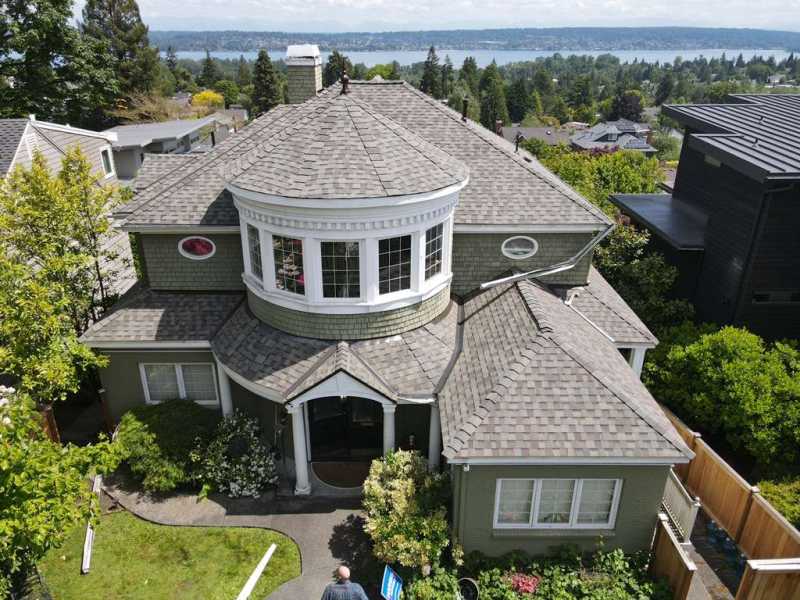
Choosing the right roofing material in Seattle isn’t just about looks—it’s about how well your roof handles constant rain, moss growth, and long stretches of damp weather.
A material that performs well in a dry climate can struggle quickly here, leading to early wear, higher maintenance, and unexpected repairs.
That’s why homeowners planning a roof replacement in Seattle need to think beyond color and price and focus on real-world performance in our climate.
Factors like roof pitch, tree coverage, drainage, and long-term moisture exposure all play a role in how long a roof actually lasts.
At Elite Gold Contractors, we see firsthand how different roofing materials hold up across Seattle neighborhoods—from shaded residential streets to exposed, wind-driven slopes.
This article breaks down which materials perform best, which ones tend to fail early, and how to choose a roofing system that makes sense for your home, your budget, and Seattle’s conditions.
Key Takeaways
- Seattle’s constant rain and moss growth demand moisture-resistant, fast-draining roofing materials.
- Architectural asphalt, standing seam metal, and TPO/PVC membranes consistently outperform porous options in this climate.
- Roof pitch matters—steep roofs favor water-shedding systems, while low-slope roofs require true waterproofing.
- Cheaper roofing materials often cost more long-term due to shorter lifespan and higher maintenance.
- Tree coverage and limited sun exposure accelerate moss growth and material wear.
- The best roofing choice balances climate performance, budget, maintenance needs, and long-term plans.
Best Roofing Materials for Seattle Homes (Ranked & Explained)
Seattle roofing performance comes down to how well a system manages persistent moisture, limited sunlight, and organic growth over 20 to 40 years.
Overall Performance Ranking for Seattle
- Standing seam metal roofing
- Architectural, algae-resistant asphalt shingles
- PVC & TPO membranes (low-slope roofs)
- Torch down modified bitumen
- Cedar shake (high-risk in this climate)
Metal Roofing (Standing Seam & Metal Panels)
Metal roofing consistently ranks as the top performer in Seattle’s climate. It sheds rain, needles, and debris quickly, resists moss growth, and performs exceptionally well during windstorms.
Standing seam metal systems are especially effective because they use concealed fasteners and continuous vertical seams, reducing long-term leak risks.
When paired with quality underlayment and insulation, metal roofing also helps stabilize attic temperatures year-round.
While the upfront cost is higher than asphalt, metal roofs often last 40–60 years or more with minimal maintenance, making them cost-effective over multiple decades.
Architectural Asphalt Shingles (Algae-Resistant)
Architectural asphalt shingles are the most common roofing material across Seattle neighborhoods for good reason. They balance cost, durability, and appearance while performing reliably in steady rain when installed with proper underlayment and ventilation.
Upgrading to algae-resistant shingles is especially valuable in areas with heavy moss growth and overhanging trees. These shingles use zinc or copper granules to slow biological growth, helping the roof age more evenly and maintain curb appeal.
Compared to basic 3-tab shingles, architectural shingles are thicker, resist wind uplift better, and handle Seattle’s wet-dry cycles more effectively. With proper maintenance, homeowners can expect 20–30 years of service life in the greater Seattle area.
PVC & TPO Roofing (Low-Slope & Modern Homes)
For flat or low-slope roofs common on modern Seattle homes, rooftop decks, and additions, PVC and TPO membranes are often the best choice.
These single-ply systems are designed to remain watertight where shingles struggle. Heat-welded seams create a continuous waterproof layer that performs well under ponding water and wind-driven rain—both common in Seattle winters.
Their light-colored surfaces also reflect summer sunlight, helping keep upper floors cooler during warm spells without sacrificing winter performance.
Torch Down Roofing (Modified Bitumen)
Torch down roofing remains a reliable option for low-slope areas such as garages, porches, and older additions.
Its multi-layer asphalt-modified design creates a thick, durable waterproof barrier that resists punctures and standing water.
Because installation involves open flame, contractor experience and safety practices are critical. When installed correctly, torch down systems are extremely durable and well-suited to Seattle’s wet conditions.
Cedar Shake Roofing: Why It’s Risky in Seattle
Cedar shake roofs are visually appealing, especially on Craftsman-style homes, but Seattle’s environment is unforgiving to wood.
Persistent moisture, limited sunlight, and heavy tree cover accelerate rot, mold, and moss growth, significantly shortening lifespan.
Cedar also requires frequent cleaning and treatment, driving up maintenance costs.
Additionally, some municipalities restrict new cedar installations due to fire safety concerns.
Roofing Materials That Perform Poorly in Seattle’s Climate
Seattle’s constant rain, moss growth, and slow drying cycles expose the weaknesses of certain roofing materials. The following options consistently underperform in the region’s wet environment:
- Wood shake and low-grade wood shingles
- Basic 3-tab asphalt shingles
- Organic felt–based asphalt shingles
- Rolled roofing on low-slope areas
- Thin or lightly coated metal panels
- Concrete or clay tiles installed without proper underlayment and flashing
These materials tend to absorb or retain moisture instead of shedding it. Wood shakes swell and crack as they repeatedly absorb water and dry out.
Organic asphalt shingles weaken when moisture penetrates the paper mat, leading to curling, sagging, and early failure.
Because Seattle roofs often stay damp through much of the winter, these materials rarely dry fully, allowing rot and deterioration to continue.
Low-quality metal panels can also fail when thin coatings wear off, leading to rust around fasteners and eventual water intrusion.
While lower upfront costs or a rustic Northwest look may be appealing, in Seattle’s climate, they usually result in shorter lifespan, higher maintenance, and earlier replacement.
Why Some Materials Fail Faster in Wet Regions
Porous roofing materials trap moisture instead of releasing it. In shaded neighborhoods like Ballard, West Seattle, and parts of Bellevue, limited sun exposure keeps roofs wet for days after rainfall.
Freeze-thaw cycles accelerate damage as trapped water expands and contracts, causing cracking, lifted edges, and granule loss.
Poor attic ventilation compounds the problem by allowing moist indoor air to condense beneath the roof deck, attacking materials from below.
Seattle roofs perform best when they rely on water-shedding materials, high-quality underlayment, proper flashing, and good ventilation.
Common Moisture Damage Found During Roof Replacement
During roof tear-offs in Seattle, moisture damage commonly shows up as curled shingles, blistering from trapped vapor, and soft decking—especially near valleys, chimneys, and transitions.
Hidden beneath the surface, mold and mildew often spread along roof decking where ventilation is lacking.
Metal components can also corrode once protective coatings fail, allowing water entry even when the roof looks intact from the ground.
Because much of this damage isn’t visible, deck inspection during roof replacement is critical to ensure the new system performs as intended.
When Looks Don’t Match Seattle’s Climate
Roofing materials that look great in a showroom often struggle on moss-covered, shaded Seattle roofs.
Style-first choices like untreated wood shakes or bargain designer shingles frequently require early repairs or replacement well before their advertised lifespan.
A smarter approach is to start with materials proven to handle rain, wind, and moss, then choose colors and profiles that fit your home.
Many high-performance asphalt and metal roofing systems still deliver strong curb appeal without sacrificing durability in the Puget Sound climate.
Cost vs Longevity: Choosing the Right Roofing Material in Seattle
In Seattle’s wet, moss-heavy climate, the real cost of a roof isn’t just what you pay upfront—it’s how long it lasts and how much maintenance it requires.
If you want a detailed breakdown of pricing ranges, material costs, and what actually impacts pricing locally, see our article on roof replacement cost in Seattle.
Typical Lifespan by Material (Seattle Conditions)
- 3-tab asphalt shingles: low upfront cost, ~15–20 years, higher maintenance
- Architectural asphalt: moderate cost, ~20–30 years, better durability
- Standing seam metal: high cost, ~40–60+ years, very low maintenance
- Metal shingles/panels: high cost, ~40–50 years, strong curb appeal
- Concrete or clay tile: very high cost, ~50–75 years, requires structural support
- Synthetic slate/shake: high cost, ~40–50 years, lighter than natural materials
Longer-lasting, low-maintenance systems often cost less per year of service due to fewer repairs, fewer tear-offs, and better resistance to leaks in sustained rain and shade.
In Seattle, budget for extra wear from ponding water, windstorms, tree debris, and moss—more than you would in a dry climate.
Upfront Cost vs Long-Term Replacement Frequency
Lower-cost shingle roofs can make sense if you plan to move within 5–10 years. However, in Seattle they often wear prematurely due to moisture, moss, and freeze-thaw cycles.
Basic 3-tab shingles may start curling, staining, and losing granules well before year 15—especially under tree cover in areas like Ballard or Maple Leaf. Over 30+ years, multiple replacements and leak repairs can cost more than installing a longer-lasting system once.
For example, a typical Seattle home might spend:
- $9k–$12k on a 3-tab roof that needs replacement twice in 35–40 years
- $20k–$28k on a standing seam metal roof that lasts 40–60 years
When viewed over decades, metal often delivers a lower cost per year of real protection, especially when you factor in avoided tear-offs and disposal costs.
Maintenance Requirements in a Moss-Prone Climate
Maintenance significantly affects the total roof cost in Seattle. Materials that hold moisture or organic debris wear out faster.
Basic maintenance checklist (especially for asphalt and wood-look roofs):
- Annual inspection (fall + after major windstorms)
- Gentle roof cleaning every 1–2 years
- Moss treatment using roof-safe products
- Trim overhanging branches
- Clean gutters 2–4 times per year
Asphalt shingles typically require the most hands-on care. Wood shake—where still allowed—requires even more maintenance and deteriorates quickly without it.
Metal and concrete or clay tile sheds moss and debris more easily, reducing cleaning frequency and long-term maintenance costs.
Routine inspections still matter, but upkeep focuses more on flashings and sealants than surface growth.
Warranty Considerations for Seattle Roofs
Warranties matter more in wet climates—but not all “lifetime” warranties cover Seattle’s real issues.
- Algae resistance may be limited to staining, not moss buildup
- Most warranties exclude damage from poor maintenance or clogged drainage
- Coverage may be reduced in high-moisture or coastal zones
It’s important to separate:
- Manufacturer warranties (material defects)
- Workmanship warranties (installation quality, flashing, transitions)
Most real-world leaks come from detailing—not the roofing material itself—so both warranties matter.
Transferable warranties with strong non-prorated periods can also boost resale value in competitive Seattle neighborhoods, giving buyers confidence in the roof’s remaining life.
How to Choose the Best Roofing Material for Your Seattle Home
Choosing the right roofing material in Seattle comes down to four core factors: our wet climate, your roof pitch, your budget, and curb appeal.
Any material you choose must handle year-round moisture, periodic windstorms, and ongoing moss pressure—especially on low-slope areas where water drains slowly.
A practical approach is to compare materials—metal, architectural asphalt, composite, cedar—based on Seattle conditions, not generic marketing claims.
Aim for a balance between rain performance and appearance, and lean toward products with a proven track record on local homes rather than newer, untested options.
Age and Condition of Your Existing Roof
Start by confirming the true age and condition of your current roof.
In Seattle, asphalt roofs older than 20–25 years, or showing widespread curling, granule loss, soft decking, or chronic moss, are usually beyond repair and require a full tear-off.
While some homes appear suitable for an overlay, adding a second layer often traps moisture in our climate and hides underlying problems.
A complete tear-off allows damaged sheathing, ventilation issues, and failing flashing to be corrected before a new system goes on.
If you’re considering heavier materials like concrete tile or certain stone-coated systems, a structural evaluation is important—especially for older Craftsman, bungalow, or post-war homes that weren’t designed for high dead loads.
Tree Coverage and Sun Exposure
Tree cover plays a major role in how roofing materials perform in neighborhoods like Ballard, Maple Leaf, and West Seattle.
Dense shade traps moisture, holds debris, and accelerates moss growth—conditions that are hard on traditional asphalt and wood products.
In shaded areas, smooth, non-porous materials such as standing seam metal or premium composites shed debris more easily and dry faster.
Homes with good afternoon sun benefit from natural drying, helping most materials reach the upper end of their lifespan.
Regardless of material, trimming overhanging branches improves airflow, reduces debris buildup, and helps any roof perform closer to its rated life.
Budget, Timeline, and Long-Term Plans
When budgeting for a Seattle roof, look beyond the install price. Factor in cleaning, moss control, gutter maintenance, and potential repairs over 20–30 years. Lower-cost roofs may need replacement sooner, making them more expensive long term.
Seasonality matters, too. Fall and winter roofing can involve weather delays, and some materials install better in dry conditions. Planning helps avoid rushed decisions.
If you plan to sell within 5–10 years, a well-installed architectural shingle roof with a transferable warranty often makes financial sense.
For long-term ownership, investing in metal or premium composite materials can reduce future disruptions and re-roofing costs.
No matter which material you choose, prioritize durability ratings, climate-appropriate warranties, and proven local installation experience.
A contractor who can point to similar roofs they’ve installed across the Seattle area will help ensure your choice performs as expected.
Final Thoughts: Picking a Roof That Actually Works in Seattle
At the end of the day, the best roofing material for a Seattle home isn’t the one that looks the best in a brochure—it’s the one that handles rain, moss, shade, and time without constant repairs.
When you match the right material to your roof’s pitch, tree coverage, and long-term plans, you avoid the common cycle of early failures, leaks, and surprise costs.
Whether that means architectural asphalt, metal, or a low-slope membrane, the goal is the same: a roof that quietly does its job year after year in Seattle’s climate.
If you’re weighing options or want a second opinion on what makes the most sense for your home, the easiest next step is to talk it through with a local roofer who understands Seattle conditions.
👉 Have questions or want a personalized recommendation? Reach out through our Contact Us page to schedule a roof evaluation or ask about material options for your home. We’re happy to help you make a confident, informed decision.