
Roof replacement in Seattle involves removing an existing roofing system and installing a new assembly designed to withstand persistent rain, moss growth, and periodic wind exposure common to the region.
Homeowners typically work with an experienced Seattle roofer to ensure the system is built for these conditions.
For many Puget Sound homes, replacement becomes necessary when shingles deform, moisture intrusion develops around penetrations, or organic growth accelerates despite maintenance. Local conditions—such as limited winter sunlight, dense tree cover, and aging ventilation systems—often cause roofs to deteriorate faster than in drier parts of the country.
Because Seattle’s climate places continuous stress on roofing systems, roof replacement decisions are shaped by roof condition, design complexity, and environmental exposure, rather than appearance alone.
Key Takeaways
- Seattle’s wet climate accelerates roof wear through persistent moisture, limited drying time, and organic growth. Roof systems here must resist moss, manage water efficiently, and remain stable under repeated rain and wind exposure.
- Successful roof replacement in Seattle starts with system-level planning, including accurate evaluation, climate-appropriate material selection, and alignment with local permitting and code requirements.
- Roof replacement cost varies widely based on roof design, material choice, labor complexity, regulatory factors, and underlying moisture-related conditions. Pricing should be understood as a range shaped by these variables, not a fixed average.
- Not all roofing materials perform equally in the Pacific Northwest. Long-term performance depends on moisture resistance, wind stability, and compatibility with layered waterproofing rather than surface appearance alone.
- Contractor selection matters as much as material choice. Proper licensing, local experience, and warranty clarity influence installation quality, inspection outcomes, and long-term reliability.
- A durable Seattle roof functions as a complete system, where ventilation, drainage, flashing, insulation, and structure work together to manage moisture and reduce premature failure.
Why Seattle Roofs Need Special Attention
Seattle’s climate places continuous stress on roofing systems. Frequent rainfall, limited sun exposure, and prolonged surface moisture cause roofs to age faster than in drier regions. You can learn more about why roofs wear down faster in Seattle’s climate and how moisture exposure affects roofing materials over time.
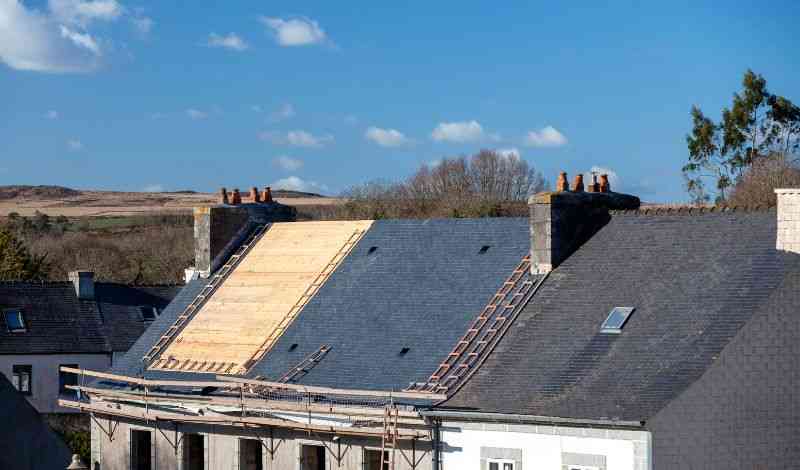
Moss and Organic Growth
Seattle’s cool, shaded environment allows moss to establish easily, particularly on north-facing slopes and tree-covered homes. Once present, moss lifts shingle edges, degrades protective surfaces, and accelerates aging.
More important water against seams and fasteners. Over time, that moisture can migrate beneath roofing layers, contributing to decking damage and concealed leaks rather than isolated surface issues.
Persistent Moisture Exposure
Light but frequent rain prevents roof assemblies from fully drying. As a result, even small defects can allow slow, cumulative water intrusion that weakens roof decking and surrounding structural components.
Because moisture exposure is ongoing rather than occasional, Seattle roofs depend on layered waterproofing systems to limit damage when surface materials are stressed.
Wind and Seasonal Storms
Seasonal windstorms introduce additional strain. Repeated gusts can loosen roof components and expose fastening points, creating entry paths for wind-driven rain. Minor shifts left unaddressed often worsen during subsequent wet weather cycles.
Tree Coverage and Debris
Dense tree cover increases debris accumulation and moisture retention on many Seattle roofs. Leaves and needles slow drainage, while overhanging branches contribute to abrasion and shading. Both factors raise the risk of water-related deterioration over time.
The Seattle Roof Replacement Process
Roof replacement in Seattle follows a structured sequence designed around moisture control, local codes, and weather exposure. Unlike drier regions, timing, material compatibility, and layered protection play a larger role in long-term performance. Understanding each phase—from inspection and planning through final installation—is critical, which we break down in detail in our Seattle Roof Replacement Process guide.
Rather than a single event, roof replacement here is best viewed as a system upgrade—addressing surface materials, waterproofing layers, and structural readiness together.
Inspection and Planning
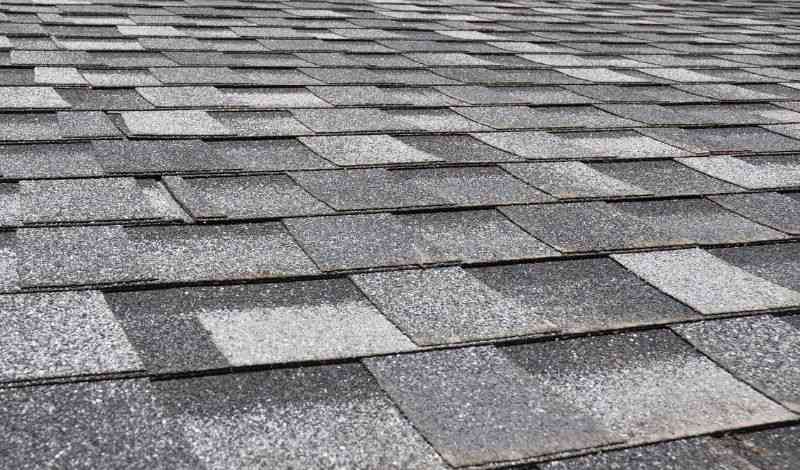
Roof replacement begins with a comprehensive evaluation of the existing system, including surface materials and underlying components. In Seattle’s climate, moisture retention and ventilation conditions influence whether replacement is necessary and how extensive the scope must be.
Clear documentation of existing conditions allows replacement decisions to account for age, wear patterns, and concealed moisture damage, rather than relying on surface appearance alone.
Material and System Selection
Most Seattle roof replacements use materials selected for water shedding, wind resistance, and moss inhibition. Material choice affects not only appearance but also drying performance, maintenance needs, and long-term durability in a persistently damp environment.
Roofing systems are evaluated as a whole—covering material, underlayment, flashing, and ventilation—because performance depends on how these components function together rather than individually.
Permitting and Code Considerations
Roof replacement projects in Seattle may require permits depending on the scope, structural changes, or material transitions. Local building and energy codes influence roofing assembly requirements, particularly for moisture control and low-slope applications.
Proper planning accounts for these requirements early to avoid interruptions once work begins.
Removal and Preparation
Full roof replacement typically involves the removal of existing materials to expose the roof deck, allowing underlying conditions to be verified. In Seattle, prolonged moisture exposure can conceal deterioration that only becomes visible once surface layers are removed.
Deck condition directly affects the stability and lifespan of the new roofing system.
Waterproofing and Installation
Seattle roofing systems rely on layered moisture protection, where underlayment and flashing serve as secondary defenses beneath the visible roof covering. These components play a critical role during extended rain cycles and wind-driven moisture events.
Correct installation ensures roofing materials remain secure and continue shedding water efficiently over time.
Completion and Ongoing Care
A completed roof replacement includes verification that all components function as a unified system, from drainage paths to penetrations and edges. Documentation and long-term maintenance planning help preserve performance in Seattle’s demanding climate.
Understanding Seattle Roof Replacement Cost
Roof replacement costs in Seattle trend higher than national averages due to regional labor rates, persistent moisture exposure, and local code requirements. Final pricing varies widely because no two roofs share the same structure, access, or level of moisture-related wear.
Rather than a single number, roof replacement cost in Seattle is best understood as a range influenced by system complexity and site conditions.

Primary Cost Influencers
Seattle roof replacement pricing is shaped by four core factors:
- Roofing materials and system design
- Labor intensity based on pitch, height, and ut
- Permits and regulatory compliance
- Removal, disposal, and concealed moisture damage
These elements combine differently on every home, which explains the wide variation between estimates.
Materials and Roofing Systems
Material choice affects both upfront cost and long-term performance in Seattle’s damp climate. Systems that dry efficiently and resist organic growth typically carry higher initial costs but reduce long-term risk.
Material pricing also reflects the complete roofing assembly, including underlayment, waterproofing layers, flashing, and ventilation components. These supporting elements are critical in Seattle and materially affect the total project cost.
Labor, Pitch, and Access
Labor is a major cost driver locally. Roofs with steep slopes, multiple stories, dormers, skylights, or complex valleys require additional time, safety measures, and detailing, which increases installation effort.
Homes with simpler roof lines and easier access generally require fewer labor hours than highly segmented or elevated structures, even when the roof area is similar.
Permits and Compliance
Many Seattle roof replacements require permits depending on the scope, structural involvement, or material changes. Permit costs are part of the overall project and reflect local construction and energy requirements.
Proper permitting helps avoid delays, rework, and complications during future property transactions.
Removal and Disposal Considerations
Tear-off and disposal costs depend on roof size, number of layers, material weight, and underlying conditions. Heavier roofing systems and multiple layers increase removal effort and disposal fees.
In Seattle, prolonged moisture exposure means that hidden decking or framing deterioration is sometimes discovered during removal, which can affect total project cost.
Best Roofing Materials for the Pacific Northwest
Seattle roofs operate under constant moisture pressure, and material selection must prioritize water resistance and durability. For a deeper breakdown, see our article on the best roofing materials for Seattle’s climate.
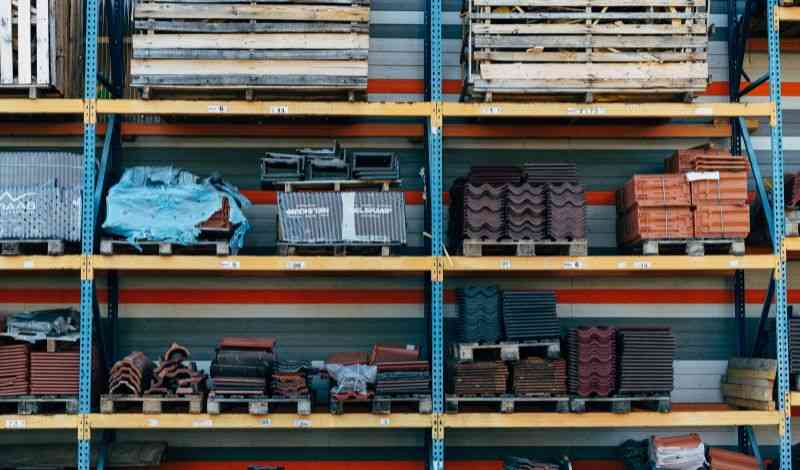
Material selection in the Pacific Northwest focuses less on appearance alone and more on how a roofing system performs over time in a wet, shaded environment.
Core Material Selection Principles
Roofing systems that perform well in Seattle typically share these characteristics:
- Resistance to moss, algae, and mildew
- Proven performance under wind-driven rain
- Compatibility with layered waterproofing and ventilation
- Manufacturer support for high-moisture climates
Materials that rely heavily on direct sun exposure or minimal underlayment protection tend to deteriorate faster in this region.
Pitched-Roof Materials Commonly Used in Seattle
Most Seattle homes with sloped roofs use materials designed to shed water quickly and limit moisture retention. Asphalt-based systems remain widely used due to availability and adaptability, while metal systems continue to gain popularity for their durability and drainage performance.
Regardless of surface material, performance depends on the entire roofing assembly, including underlayment, flashing, and ventilation design.
Metal Roofing in Wet Coastal Conditions
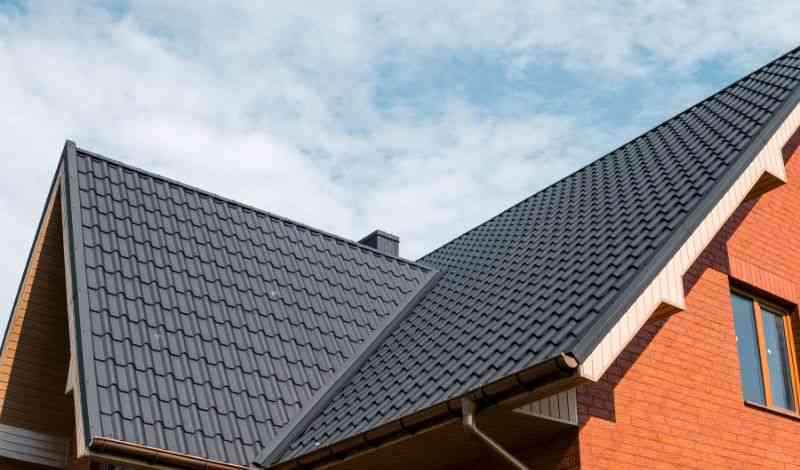
Metal roofing systems are increasingly selected in the Seattle area because they drain efficiently, resist organic growth, and tolerate prolonged moisture exposure. Their rigid structure and concealed fastening options help limit water intrusion during extended rain cycles.
Metal systems are often evaluated as long-term solutions rather than short-term replacements, particularly in areas exposed to wind and heavy tree cover.
Low-Slope Roofing Systems
Homes with low-slope or flat roof sections require membrane-based systems designed for continuous waterproofing. In Seattle’s climate, these roofs depend heavily on seam integrity, drainage performance, and installation precision.
Low-slope systems are less forgiving of detailing errors, making installer experience and adherence to manufacturer specifications critical for long-term performance.
Cedar Roofing Considerations
Cedar roofing remains part of the Pacific Northwest’s architectural identity. In Seattle’s damp climate, however, cedar systems demand consistent moisture management and ventilation to perform as intended.
Without proper system design and upkeep, organic roofing materials are more vulnerable to moss, mildew, and accelerated wear.
Finding the Best Roofers in Seattle
Selecting a roofing contractor in Seattle requires more than comparing prices. Local experience, regulatory compliance, and system knowledge matter more in a climate defined by persistent rain, moss growth, and periodic windstorms.
The goal is not simply to find a roofer, but to identify a contractor who understands how roofing systems perform over time in Seattle’s wet conditions.
Licensing and Regulatory Standing
Roof replacement projects in Seattle require contractors who are properly licensed and authorized to work under Washington regulations. Licensing confirms that a contractor meets state requirements and can legally pull permits when required.
Licensed contractors are also more likely to follow manufacturer installation standards, which affects inspection approval and warranty eligibility.
Local Track Record and Reputation
A contractor’s history in the Seattle area provides insight into consistency, reliability, and familiarity with local housing styles. Patterns in customer feedback often reveal how well a company communicates, manages timelines, and addresses issues when they arise.
Established companies with long operating histories tend to demonstrate repeatable processes and accountability, which is especially important for complex roof replacements.
Warranty Transparency
Roof replacement involves both material warranties and workmanship coverage. Clear explanations of what is covered, how long coverage lasts, and how claims are handled indicate professionalism and long-term commitment.
Contractors who provide written documentation and explain warranty terms plainly help reduce confusion and future disputes.
System Knowledge and Scope Clarity
Seattle roofs function as complete systems. Contractors should be able to explain how materials, waterproofing layers, flashing, and ventilation work together rather than focusing on surface materials alone.
Clear definition of project scope, exclusions, and responsibilities helps prevent misunderstandings once work begins.
Beyond the Shingles: The Unseen Roofing System
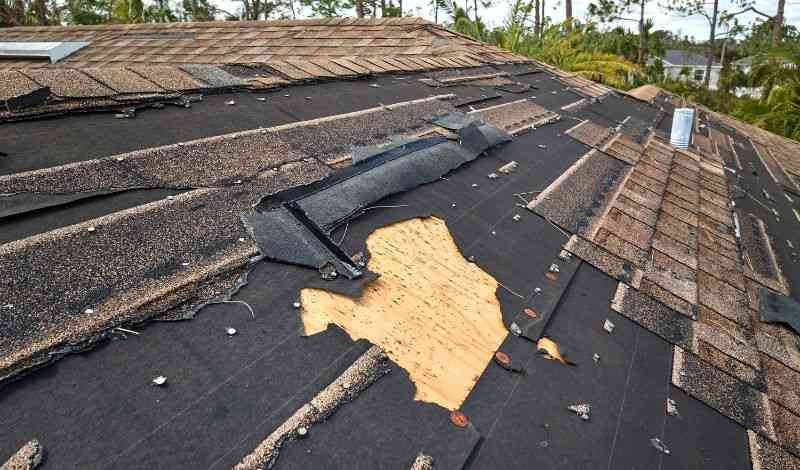
Roof replacement in Seattle performs best when treated as a complete system, not a surface upgrade. While shingles are the most visible component, long-term performance is more often determined by ventilation, drainage, flashing, insulation, and structural conditions.
Seattle’s constant moisture, limited drying time, and dense tree cover place continuous demand on how these components work together.
Ventilation and Moisture Control
In Seattle’s cool, damp climate, attic conditions play a major role in roof longevity. Poor ventilation allows moisture and heat to accumulate, accelerating material aging and contributing to hidden deck deterioration even when exterior shingles appear intact.
Modern roof replacements evaluate ventilation as part of the system rather than relying on legacy configurations. Proper airflow helps manage condensation, stabilize roof temperatures, and reduce moisture-related stress beneath the roof surface.
Drainage and Water Direction
Rain management does not end at the shingle edge. Gutters and downspouts are integral to roof system performance in Seattle, where rainfall is frequent and prolonged.
When drainage paths fail or overflow, water is redirected toward fascia boards, siding, foundations, and crawlspaces. Coordinating roof replacement with drainage evaluation helps ensure water is consistently carried away from the structure rather than recirculated against it.
Energy Performance in a Wet Climate
Energy efficiency in Seattle roofing centers on moisture regulation and temperature moderation, not extreme heat control. Roofing systems that limit humidity buildup and reduce temperature swings support insulation performance and improve interior comfort.
Because roofing, ventilation, and insulation interact, energy performance is influenced by system balance rather than material choice alone.
Conclusion: Building a Roof That Fits Seattle
Roof replacement in Seattle is less about choosing a single product and more about making system-level decisions suited to a wet, low-drying climate. Constant rain, limited sun exposure, and organic growth place ongoing pressure on roofing assemblies throughout the region.
Long-term roof performance in Seattle typically depends on three fundamentals:
- Materials suited for prolonged moisture exposure
- A complete roofing system that manages water, airflow, and drainage
- Contractors familiar with Seattle’s building codes, housing styles, and weather patterns
In a climate that stresses roofs year after year, durability is shaped more by design compatibility and execution than by price alone. Roofing systems that align with local conditions tend to age more predictably and experience fewer moisture-related issues over time.
If you’re planning a roof replacement and want guidance specific to Seattle conditions, Elite Gold Contractors can help evaluate your roof and discuss system options tailored to your home. You can reach out through our contact us page to start the conversation.