
Roof repair in Seattle focuses on correcting localized roof damage caused by persistent moisture, organic growth, and repeated wind exposure, rather than addressing sudden or catastrophic failure.
In the Puget Sound region, roof problems tend to develop gradually. Extended wet seasons, limited drying time, and shaded roof planes allow small weaknesses—around flashing, penetrations, and surface materials—to worsen quietly until interior signs such as staining, odors, or softened decking appear.
This page explains what roof repair means in Seattle, the types of problems commonly encountered, how repair differs from replacement in a wet coastal climate, and how repair scope, materials, and code considerations influence long-term roof performance.
Key Takeaways
- Seattle’s climate accelerates roof deterioration through persistent moisture, limited drying time, and organic growth. Early-stage roof damage can escalate quickly when moisture migrates beneath surface materials.
- Most roof problems in Seattle develop gradually, not from single events. Common issues stem from water intrusion, flashing fatigue, organic buildup, and repeated wind exposure associated with Puget Sound weather patterns.
- Roof repair performance depends on system conditions, not surface appearance alone. Moisture behavior, material compatibility, and how components work together determine whether localized repairs remain effective.
- Repair versus replacement decisions are climate-driven, shaped by damage scope, material condition, and cumulative moisture impact rather than age or cost in isolation.
- Localized roof repairs are common in Seattle, typically addressing surface material failure, flashing vulnerabilities, and targeted leak paths caused by ongoing weather stress.
- Code compliance and local standards influence roof repair outcomes. Repairs that align with regional building expectations and manufacturer requirements tend to deliver more reliable long-term performance.
What Roof Repair Means for Seattle Homes
Roof repair for Seattle homes is rarely about isolated, dramatic events. Instead, it addresses the cumulative effects of persistent rain, moisture retention, wind exposure, and gradual material fatigue common to the region.
Seattle’s climate places continuous pressure on roof systems. Moisture works into vulnerable areas around flashing, vents, skylights, and seams, while prolonged wet conditions accelerate surface wear. Shingles exposed to repeated moisture cycles tend to age faster, especially when drying time is limited.
Organic growth further compounds the issue. Moss, algae, and debris trap moisture against roof surfaces, particularly on north-facing slopes and tree-covered homes. Over time, this environment contributes to deformed shingles, loosened fasteners, softened decking, and slow-developing leaks that often appear first as interior staining or musty odors.
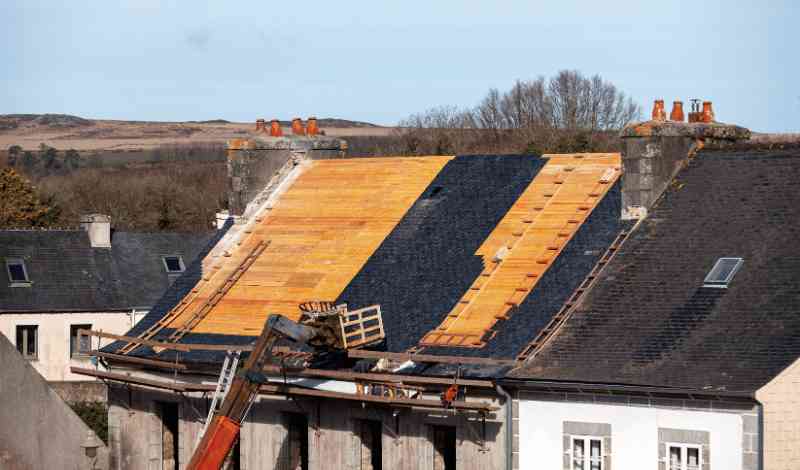
Wind exposure adds another layer of stress. Coastal and lake-driven gusts can loosen edges and ridge components, creating entry points for wind-driven rain. These weak points may remain stable temporarily, then fail during subsequent storms when moisture pressure increases.
Roof repair in Seattle typically focuses on addressing these localized weaknesses early, before moisture intrusion spreads into structural components. When deterioration is limited in scope, targeted repairs help restore performance and slow further degradation without resetting the entire roofing system.
Local conditions also influence repair decisions. Roof design, access, slope, and prior installation quality all affect how damage develops and how effectively repairs integrate with the existing system.
Because Seattle roofs age under constant environmental stress rather than single events, successful repair depends on understanding regional moisture behavior, housing styles, and construction standards. Local experience plays a critical role in identifying which issues can be stabilized and which signal broader system decline.
Common Roof Problems in Seattle
Seattle roofs experience gradual, moisture-driven deterioration rather than sudden failure. Frequent rain, limited drying time, and persistent humidity place continuous stress on roofing systems, allowing minor weaknesses to develop into larger issues over time.
Most roof problems in Seattle stem from water intrusion, organic growth, and repeated weather exposure, which slowly compromise materials, fasteners, and underlying structures.
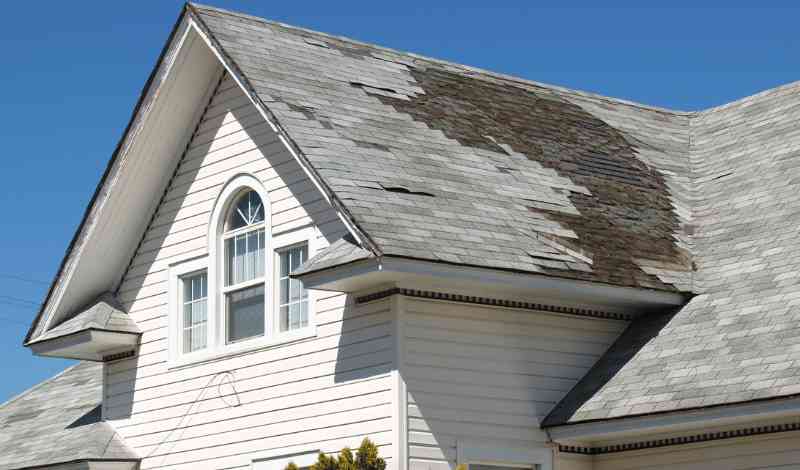
Typical Roof Issues Seen in Seattle
Common problems observed on Seattle-area roofs include:
- Moisture intrusion around penetrations, such as chimneys, vents, and skylights
- Shingle displacement or cracking caused by wind and weather cycles
- Moss and algae growth, especially on shaded roof planes
- Drainage-related deterioration, including gutter overflow and fascia damage
- Softened roof decking from long-term moisture exposure
- Elevated attic humidity, condensation, and insulation degradation
- Flashing fatigue at valleys, sidewalls, and transitions
These issues often develop slowly, making early-stage damage difficult to detect from the exterior.
Moisture-Related Roof Damage
Seattle’s climate prevents roofing materials from fully drying between rain events. Over time, moisture exploits small gaps in flashing, sealants, and seams, allowing water to migrate into decking and attic spaces.
This prolonged exposure can weaken sheathing, reduce insulation performance, and encourage mold growth long before visible leaks appear inside the home. Because moisture damage progresses incrementally, it often goes unnoticed until deterioration has spread beyond a single area.
Moss and Organic Growth Impact
Moss and algae thrive on Seattle roofs due to shade, moisture retention, and organic debris. Once established, organic growth holds water against roofing surfaces, accelerating surface wear and lifting edges where water can travel beneath the roof covering.
Beyond surface damage, organic debris also contributes to drainage issues, compounding moisture exposure at roof edges and valleys.
Wind and Storm-Related Issues
Seasonal windstorms introduce additional stress by loosening shingles, shifting flashing, and opening seams that allow wind-driven rain to penetrate the roofing system.
Storm-related damage may not cause immediate leaks but often creates vulnerabilities that fail during subsequent rain events, especially when combined with already saturated materials.
Roof Repair vs Roof Replacement in Seattle
Seattle homeowners often face a choice between addressing localized roof issues or resetting the entire roofing system. The right path depends on damage scope, system condition, and how moisture has affected underlying components, not just visible symptoms.
Roof repair focuses on correcting specific problem areas—such as limited water intrusion, isolated material failure, or weather-related displacement—while preserving the remainder of the roofing system. When the surrounding materials and structure remain sound, targeted repairs can restore performance without disturbing the full assembly.
Roof replacement, by contrast, addresses widespread or systemic deterioration. In Seattle’s wet climate, prolonged moisture exposure, organic growth, and repeated weather stress can gradually compromise multiple areas of the roof at once. When issues extend beyond isolated locations, replacement allows the roofing system to be rebuilt as a unified whole.

When Repair Is Typically Appropriate
Roof repair is generally suited to situations where:
- Damage is localized rather than widespread
- The roofing system beneath the surface remains structurally stable
- Moisture intrusion has not spread across multiple roof planes
- Prior installation quality supports continued performance
In these cases, repairs function as stabilization, correcting weak points before moisture migration accelerates further deterioration.
When Replacement Becomes the Better Option
Roof replacement is more appropriate when:
- Problems recur across different areas of the roof
- Organic growth and moisture retention are extensive
- Underlying materials show signs of fatigue or degradation
- Multiple components—surface, flashing, and decking—are affected
In Seattle, replacement decisions are often driven by cumulative moisture damage rather than a single failure point.
Climate-Specific Considerations
Seattle’s environment shortens the margin for error. Limited drying time, persistent shade, and repeated rain cycles mean that small issues can escalate if the broader system is already compromised. What appears repairable on the surface may mask deeper moisture-related decline beneath.
For this reason, repair-versus-replacement decisions benefit from evaluating the roof as a system, not a collection of individual defects.
Types of Roof Repairs Commonly Performed in Seattle
Roof repairs in Seattle address localized damage caused by persistent moisture, wind exposure, and gradual material fatigue. Unlike full replacement, repair work focuses on stabilizing specific weak points within an otherwise functional roofing system.
Because Seattle roofs are exposed to long wet seasons and repeated weather cycles, repair needs vary by roof design, material type, and exposure conditions rather than by isolated events alone.
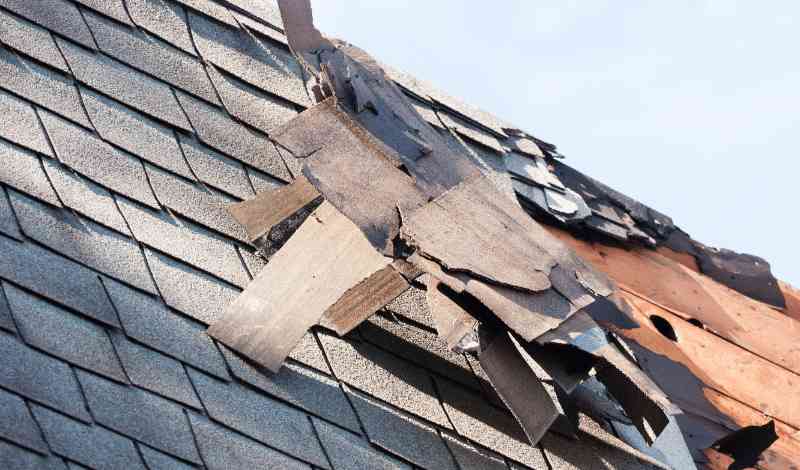
Common Categories of Roof Repair
Roof repairs typically fall into the following categories:
- Surface material repairs, such as limited shingle or shake replacement
- Leak correction, involving localized sealing and membrane integration
- Flashing repairs at chimneys, vents, skylights, and roof transitions
- Organic-growth-related repairs, where moisture retention accelerates wear
- Wind- and storm-related stabilization, addressing displaced components
- Low-slope roof repairs, focused on drainage and seam integrity
- Metal roof repairs, involving panel alignment and seam performance
Each repair category requires an understanding of how moisture moves through the roofing system under Seattle’s climate conditions.
Shingle and Surface Repairs
Surface repairs address localized material failure, often caused by moisture saturation, wind exposure, or organic buildup. When surface materials deform or lose integrity, water shedding efficiency declines, increasing the risk of intrusion beneath the roof covering.
In Seattle, surface-level deterioration tends to progress faster when moisture is retained for extended periods, making early correction important to system stability.
Flashing and Penetration Repairs
Flashing repairs focus on junction points where roof planes meet penetrations or walls. These locations are especially vulnerable in Seattle due to wind-driven rain and prolonged dampness.
When flashing components lose continuity or adhesion, water can migrate beneath roofing layers, often without immediate interior symptoms.
Leak Detection and Targeted Repairs
Leak-related repairs address specific intrusion paths rather than broad surface areas. In Seattle’s climate, water may travel along structural elements before becoming visible, which makes precise identification critical to effective repair.
Targeted repairs aim to restore waterproofing continuity without disturbing unaffected portions of the roof.
Storm- and Wind-Related Repairs
Storm-related repairs correct displacement, loosening, or puncture damage caused by seasonal wind events. While some damage is immediately apparent, other vulnerabilities may only become problematic during subsequent rain cycles.
Stabilizing affected areas helps prevent localized storm damage from evolving into broader system failure.
Factors That Influence Roof Repair Scope
Roof repair scope in Seattle varies because roofs here respond differently to persistent moisture, organic growth, wind exposure, and structural design. Scope is determined less by a single defect and more by how damage has developed within the overall roofing system.
Roof Age, Material, and Overall Condition
Repair scope is influenced by how long roofing materials have been exposed to Seattle’s wet climate and how well they continue to shed water. Newer roofing systems with localized issues often require limited intervention, while older or weathered systems may need broader stabilization.
Material type also affects scope. Different roofing materials respond to moisture, wind, and organic buildup in different ways, which changes how repairs integrate with the existing system. Surface condition—such as widespread organic growth or prolonged moisture retention—often signals that damage extends beyond a single point.
Extent of Damage and Structural Stability
Repair scope expands as damage spreads across multiple roof areas or layers. Localized surface defects may remain limited, while recurring moisture intrusion or material deformation can indicate deeper system involvement.
When underlying components are affected, repair work may need to address both surface materials and supporting layers to restore performance and prevent continued deterioration.
Roof Design, Access, and Exposure
Roof size, pitch, and accessibility influence how repair work is executed. More complex roof geometries, steeper slopes, or limited access can increase the scope required to stabilize affected areas.
Seattle-specific exposure factors—such as wind-driven rain, shaded roof planes, and prolonged damp conditions—also shape repair strategies by increasing the need for reinforced waterproofing details in vulnerable locations.
Prior Work and System History
Previous repairs and overall system history play a significant role in the repair scope. Roofs with consistent workmanship and cohesive detailing tend to allow more contained repairs, while systems with mismatched materials or inconsistent detailing may require broader correction.
Long-term exposure patterns, rather than isolated maintenance actions, influence how extensive repairs need to be.
Permits and Code Considerations for Roof Repair
Roof repair in Seattle operates within a regulated construction environment shaped by local and state building codes. Even when repair work appears limited, code requirements may still apply depending on scope, exposure of roofing layers, and involvement of structural components.
Because Seattle places strong emphasis on safety, moisture control, and energy performance, roof repairs are often evaluated not only by what is being fixed, but by what layers of the roofing system are affected.

When Code Oversight Applies
Roof repairs that expose underlayment, alter flashing systems, or affect roof assemblies may fall under building code review. Once work moves beyond surface-level corrections, it is typically subject to inspection to confirm compliance with current standards.
Structural involvement—such as repairs affecting roof decking, framing, or load-bearing elements—always requires adherence to applicable codes, regardless of repair size.
Structural and System Changes
Any repair that interacts with the roof’s structural framework or supporting systems carries additional code considerations. Changes that affect load distribution, roof transitions, or integrated components must meet established performance and safety requirements.
Similarly, repairs that modify insulation, ventilation, or moisture-control layers may be reviewed to ensure alignment with current building and energy standards.
Local Jurisdiction Variability
While Seattle follows its own permitting and inspection framework, requirements can vary across surrounding jurisdictions. A repair that qualifies as minor in one area may require formal approval in another.
For this reason, roof repair planning benefits from location-specific code awareness, particularly when projects approach the boundary between repair and larger system work.
Compliance and Installation Standards
Code compliance is closely tied to installation quality and system integration. Repairs performed without regard for current standards can create inspection issues, limit warranty coverage, or lead to corrective work later.
In Seattle’s moisture-heavy climate, code requirements are designed to reduce long-term risk by ensuring repairs maintain waterproofing continuity and system performance.
Conclusion – Managing Roof Damage in Seattle’s Climate
Managing roof damage in Seattle is about staying ahead of long-term moisture exposure, not reacting to single weather events. Extended wet seasons, limited drying time, and organic growth pressure allow minor issues to escalate when left unaddressed.
In this climate, roof damage progresses gradually. Localized weaknesses can become system-level problems when moisture migrates beneath surface materials and into structural layers. Addressing issues early helps preserve roof performance and avoid broader deterioration.
Effective roof repair in Seattle depends on system awareness. Repairs that consider flashing continuity, ventilation balance, and water movement across roof planes perform more reliably than surface-only fixes. Work that aligns with local building standards also helps ensure durability under repeated rain cycles.
Because Seattle places sustained stress on roofing systems, experience with regional conditions matters. Contractors familiar with local housing styles, moisture behavior, and code expectations are better positioned to identify which issues can be stabilized and which signal deeper system fatigue.