
In Seattle, roofs don’t usually fail overnight. They wear down quietly—under weeks of rain, months of shade, and years of moisture that never quite dries out. By the time a leak shows up inside, the problem has often been building for a while.
That’s where roof inspections matter. A roof inspection in Seattle isn’t about hunting for obvious damage—it’s about understanding how your roof is holding up beneath the surface. Moisture movement, ventilation balance, flashing fatigue, and structural stress all tell a story that shingles alone don’t reveal.
This page explains what roof inspections mean in Seattle’s climate, why they’re especially important here, and how inspection findings guide smarter decisions around roof repair or replacement—before small issues turn into expensive surprises.
Key Takeaways
- Roof inspections in Seattle focus on early detection, identifying moisture-related stress, organic growth impact, and gradual material fatigue before damage spreads beneath the surface.
- Seattle’s wet, shaded environment accelerates roof deterioration. Limited drying time and persistent moisture make inspections more critical here than in drier climates.
- Roof inspections support informed decision-making, helping clarify whether a roof issue is isolated, progressing, or indicative of broader system decline.
- A comprehensive inspection evaluates the roofing system as a whole, including surface materials, transitions, drainage behavior, ventilation balance, and structural condition.
- Inspection value lies in system insight, not just defect discovery. Understanding how moisture, materials, and structure interact over time is essential in Seattle’s climate.
- Proactive evaluation reduces uncertainty, allowing homeowners to plan rather than react in a region where roof damage develops gradually and often out of sight.
What is a Roof Inspection?
A roof inspection is a structured evaluation of a roofing system’s condition, focused on identifying moisture-related stress, material wear, and structural risk. In Seattle, inspections answer a single core question: can this roof continue to perform under persistent rain, wind, and limited drying conditions?
Rather than looking only at surface materials, roof inspections assess the entire roofing system, including components that influence water movement, ventilation balance, and long-term durability.

Purpose of a Roof Inspection in Seattle
In Seattle’s climate, roof inspections are primarily about early detection. Minor weaknesses—such as loosened components, fatigued flashing, or moisture accumulation—can remain invisible on the surface while gradually affecting underlying layers.
Inspections help determine:
- Whether moisture intrusion is present or developing
- How weather exposure is affecting roofing materials
- Whether system components are aging uniformly or unevenly
- If conditions suggest stabilization, repair, or broader intervention
This system-level view is essential in a region where damage progresses incrementally rather than through single catastrophic events.
System-Level Evaluation
Roof inspections consider how surface materials, transitions, drainage paths, and interior conditions interact under prolonged moisture exposure. Findings beneath the roof surface—such as changes in decking condition or signs of trapped moisture—often provide clearer insight into roof health than exterior appearance alone.
Because Seattle roofs are frequently shaded and slow to dry, inspections place emphasis on hidden moisture behavior, not just visible defects.
Residential and Commercial Context
While residential and commercial roofs differ in design, both are inspected with the same objective: confirming structural safety, remaining serviceability, and alignment with current performance expectations.
Inspection criteria adjust to roof type and configuration, but the underlying goal remains consistent across property types.
Why Roof Inspections Are Especially Important in Seattle
Roof inspections carry added importance in Seattle because roofs here endure continuous moisture exposure, limited drying time, and repeated weather stress. Damage rarely appears suddenly. Instead, small weaknesses develop quietly beneath the surface until they escalate into costly structural issues.
In a climate defined by prolonged wet seasons, inspections help identify early-stage deterioration before moisture migrates into decking, insulation, or framing.
Persistent Moisture and Rain Exposure
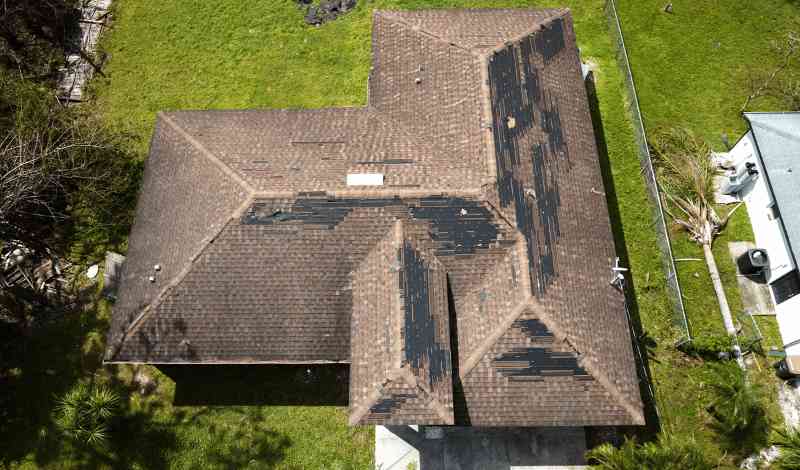
Seattle’s frequent rainfall keeps roofing materials wet for extended periods, accelerating wear on shingles, flashing, fasteners, and sealants. Moisture that bypasses surface layers can travel along structural components without immediately producing visible interior symptoms.
Because this type of intrusion progresses gradually, inspections focus on subtle indicators of moisture stress rather than obvious surface failure.
Moss, Algae, and Organic Growth Pressure
Cool temperatures, high humidity, and shade create ideal conditions for organic growth on Seattle roofs. Moss and algae retain moisture against roofing materials, increasing saturation time and weakening surface integrity.
As organic growth persists, it can lift roofing edges and create pathways for wind-driven rain, contributing to accelerated material fatigue and underlayment deterioration.
Limited Sunlight and Slow Drying
Many Seattle roofs receive minimal direct sunlight due to tree cover and dense development. Areas that remain shaded dry more slowly, which increases the likelihood of localized moisture retention and gradual decay.
These conditions often affect roof sections unevenly, making system-level evaluation more reliable than surface appearance alone.
Wind and Seasonal Weather Stress
Seasonal windstorms introduce additional strain by loosening components and opening small entry points for rain. These vulnerabilities may not be visible from the ground yet can allow water intrusion during subsequent storms.
Over time, seasonal temperature shifts also cause roofing materials and flashings to expand and contract, creating incremental gaps that inspections help identify before failure occurs.
When Should You Schedule a Roof Inspection in Seattle?
Roof inspections in Seattle are most valuable when they are planned intentionally rather than triggered only by visible problems. Because damage in this climate develops gradually, inspections are used to understand how moisture, materials, and structure are interacting over time.
Rather than reacting to leaks, inspections help identify early-stage stress before it escalates into broader deterioration.
Annual Preventive Inspections
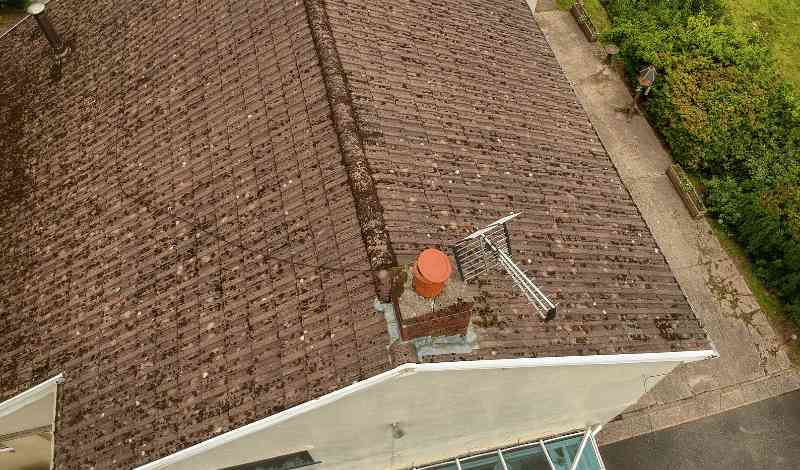
In Seattle’s moisture-heavy environment, roof inspections function as a preventive evaluation, not a reactive one. Subtle issues—such as early flashing fatigue, organic buildup, or uneven material wear—often develop beneath the surface and remain undetectable from ground level.
Regular inspection provides clarity on how the roofing system is aging under constant exposure and whether emerging issues are isolated or indicative of wider system fatigue. This information supports informed planning rather than surprise repairs.
After Heavy Storms or Wind Events
Seattle’s seasonal windstorms can loosen components or create small vulnerabilities that are not immediately apparent. While damage may not produce instant leaks, these weakened areas can allow moisture intrusion during later rain cycles.
Post-event inspections help assess whether weather exposure has altered roof performance, even when outward signs are limited.
Before Buying or Selling a Home
Roof inspections play an important role in understanding roof condition during property transitions. Because roofs often appear intact from the street, inspections provide a clearer picture of remaining serviceability and system health.
This visibility helps reduce uncertainty around one of the home’s most critical protective systems.
Before Roof Repair or Roof Replacement Decisions
Roof inspections are especially valuable when determining whether a roof issue can be stabilized through repair or requires broader intervention. Inspection findings help distinguish between localized wear and system-wide deterioration.
In Seattle’s climate, this distinction matters, as moisture-related issues can appear cosmetic while masking deeper system stress.
What a Professional Roof Inspection Covers
A professional roof inspection in Seattle evaluates the entire roofing system, not just surface materials. Because constant moisture and limited drying time place ongoing stress on roofs in this region, inspections focus on how water, airflow, and structure interact over time.
Rather than isolating individual defects, inspections aim to understand overall system condition, performance trends, and hidden risk areas influenced by Seattle’s climate.
Shingles, Tiles, or Roofing Membrane Condition
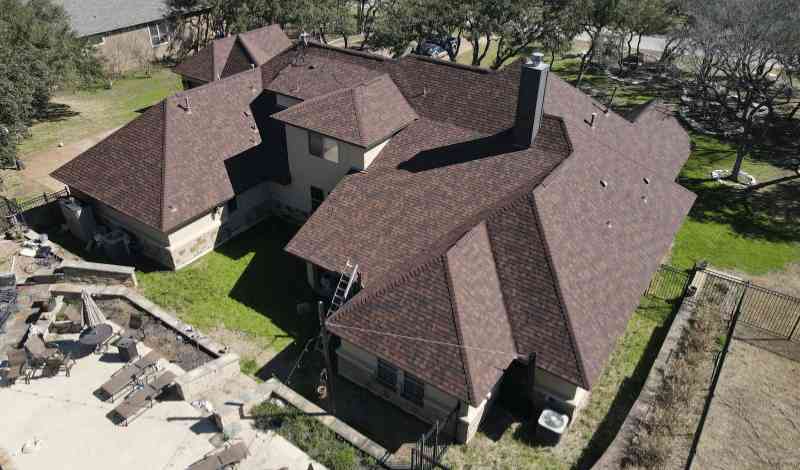
Roof inspections assess the condition and performance of surface roofing materials, including signs of fatigue, deformation, or material breakdown. Attention is given to areas most exposed to weather stress, where moisture retention and wind pressure tend to accelerate wear.
Surface condition is evaluated in context with roof age and configuration to identify inconsistencies that may indicate deeper system stress, rather than normal aging alone.
Flashing, Valleys, and Roof Penetrations
Flashing and transition points are evaluated because they represent natural interruption points in the roofing system. In Seattle’s wet climate, these areas are especially vulnerable to gradual water intrusion.
Inspection at penetrations and valleys focuses on continuity and integration, as failure at these locations often allows moisture to bypass surface materials and migrate into underlying layers.
Gutters and Drainage Performance
Roof inspections consider how water is directed away from the roof and structure. Drainage performance influences moisture retention at roof edges, valleys, and fascia, which in turn affects long-term roof durability.
Poor drainage is treated as a system-level concern because it can contribute to repeated saturation rather than isolated surface issues.
Attic, Ventilation, and Moisture Intrusion
Interior roof conditions provide critical insight into hidden moisture behavior. Attic evaluation helps correlate exterior wear with interior effects such as condensation, trapped humidity, or material degradation.
Ventilation performance is assessed as part of moisture management, not comfort alone, because imbalance can accelerate roof aging under Seattle’s cool, damp conditions.
Roof Decking and Structural Integrity
Structural evaluation focuses on the roof deck and supporting elements, which bear the cumulative effects of prolonged moisture exposure. Subtle changes in deck condition often reveal whether surface issues are isolated or part of a broader system concern.
Understanding structural integrity helps determine whether stabilization is sufficient or whether system-level intervention may be required.
Roof Inspection Methods Used in Seattle Homes
Roof inspections in Seattle rely on multiple evaluation approaches to understand how moisture, wind, and limited drying time are affecting the roofing system. Because roof designs, materials, and access conditions vary widely across the region, inspections are adapted to the structure rather than relying on a single method.
The objective is not the method itself, but the ability to correlate exterior conditions with interior moisture behavior in a climate where damage often develops out of sight.
Exterior Roof Evaluation
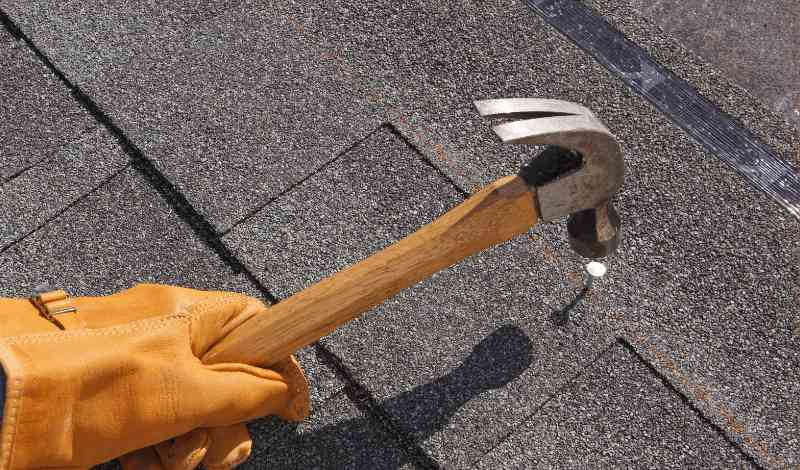
Exterior inspection methods assess the condition of surface materials and transitions, including areas most exposed to wind-driven rain and prolonged moisture retention.
These evaluations focus on:
- Surface wear and deformation
- Displacement or fatigue at edges and ridges
- Areas where organic growth or debris slows drying
- Transitions where water movement concentrates
In Seattle’s climate, exterior inspection emphasizes how water sheds—or fails to shed—over time, rather than isolated cosmetic defects.
Aerial and Remote Assessment
For roofs with steep slopes, complex geometry, or fragile materials, inspections may rely on remote evaluation to observe areas that are difficult to access safely.
This approach allows inspectors to examine:
- Upper roof planes and ridgelines
- Valleys and drainage paths
- Flashing and transition zones
Remote assessment supports visibility without altering roof surfaces, which is especially important when materials are already moisture-stressed.
Interior and Attic Evaluation
Interior inspection complements exterior findings by revealing hidden moisture behavior. Conditions beneath the roof surface often provide clearer insight into roof health than exterior appearance alone.
Attic and interior evaluation focuses on:
- Signs of moisture migration
- Ventilation balance and airflow interaction
- Decking and insulation condition
In Seattle, this interior perspective is essential, as moisture intrusion can progress internally long before exterior symptoms appear.
Method Integration and System Insight
No single inspection method tells the full story. In Seattle homes, effective roof inspection depends on combining exterior and interior observations to understand how materials, structure, and airflow are responding to prolonged wet exposure.
This integrated approach supports accurate interpretation of roof condition, especially in a climate where gradual deterioration is more common than sudden failure.
Final Thoughts
In Seattle’s climate, roof inspections are less about spotting obvious damage and more about understanding how moisture, materials, and structure interact over time. Persistent rain, shade, and slow drying create conditions where deterioration progresses gradually and often out of sight.
A well-executed inspection provides a clear snapshot of roof performance, revealing whether issues are localized or part of a broader pattern shaped by prolonged exposure. This insight supports informed planning, reduces uncertainty, and helps prevent minor weaknesses from escalating into system-wide failure.
Because Seattle roofs age under constant environmental pressure, inspections play a central role in long-term roof management. They bridge the gap between routine observation and major decisions, guiding when stabilization, repair, or replacement becomes appropriate.
In a region where roofs are tested year after year, understanding roof condition early is one of the most effective ways to preserve durability, predictability, and performance.