
Metal roofing has become an increasingly relevant option for homeowners in Seattle, where roofs face persistent rain, limited drying time, wind exposure, and organic buildup year after year. Unlike absorbent roofing materials, metal roofing is designed to shed water quickly and remain structurally stable in wet conditions.
In Seattle’s climate, roofing performance is less about extreme weather events and more about how materials behave under continuous moisture stress. Metal roofing stands out because it manages rain, debris, and temperature cycling at a system level, rather than relying on layered absorption for protection.
This page explains how metal roofing works in Seattle, the types of metal systems commonly used, how metal compares to asphalt shingles in wet environments, and the factors that influence longevity and cost in the Pacific Northwest. The goal is to help you understand whether metal roofing aligns with your roof’s exposure, design, and long-term performance needs—before you consider next steps.
Key Takeaways
- Metal roofing performs exceptionally well in Seattle’s wet climate, shedding rain quickly and maintaining stability during prolonged storms, wind events, and seasonal debris fall.
- Moisture resistance is a major advantage. Metal does not absorb water, making it far less vulnerable to rot, swelling, moss, and algae compared to porous roofing materials commonly affected in the Pacific Northwest.
- Multiple metal roofing styles are used locally, including standing seam, metal shingles, corrugated panels, and specialty metals. Performance depends on how well the system matches roof geometry, exposure, and surrounding tree cover—not appearance alone.
- Compared to asphalt shingles, metal roofing offers greater long-term consistency, with stronger resistance to moisture cycling, freeze–thaw stress, and organic buildup that commonly shorten roof performance in Seattle.
- System design matters more than material alone. Proper detailing, ventilation balance, and moisture management determine how effectively a metal roof performs under Seattle’s persistent rain and limited drying conditions.
Why Metal Roofing Works Well in Seattle’s Climate
Metal roofing aligns closely with the actual environmental stresses roofs face in Seattle. Persistent rain, elevated humidity, wind exposure, tree cover, and intermittent snow all place continuous demands on roofing systems. Metal roofing performs well in this setting because it manages water and environmental exposure at the system level rather than relying on absorption-based protection.
Moisture Resistance & Water Shedding
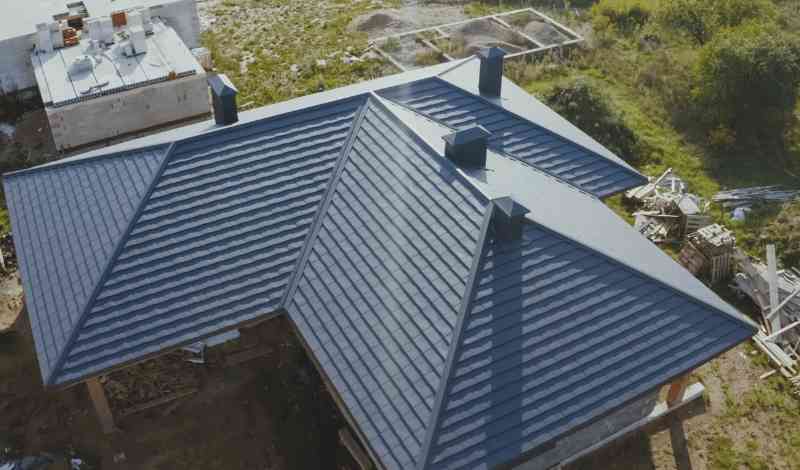
Metal roofing systems are designed to shed water efficiently, which is critical in a climate defined by extended rainfall and limited drying time. Raised seams and smooth panel surfaces direct water downslope, reducing opportunities for moisture to linger or migrate beneath the roofing layer.
Unlike porous materials, metal does not absorb water. This characteristic limits moisture retention at the surface and reduces stress on underlying roof components that can occur when roofing materials remain saturated for long periods.
Protective finishes applied to metal panels further support performance in damp air, helping the system resist environmental exposure when detailed correctly at transitions and penetrations.
Moss, Algae & Organic Growth Resistance
Metal roofing presents a non-porous, low-friction surface that is less conducive to moss, algae, and lichen growth compared to textured roofing materials. Because moisture sheds and evaporates more quickly, organic growth has fewer opportunities to establish.
In shaded environments, this faster drying behavior helps reduce surface buildup that commonly affects roofs exposed to prolonged dampness and tree debris. As a result, metal roofing tends to remain visually and functionally consistent for longer periods under organic pressure.
Wind Performance in Coastal & Elevated Areas
Metal roofing systems are engineered to handle variable wind forces, making them well suited to areas exposed to shifting gusts and directional storms. Interlocking panel designs distribute wind loads across the roof surface rather than concentrating stress at individual fasteners.
This system-level resistance supports stability during weather events where wind-driven rain and uplift forces act together, which is a common condition in the region.
Snow & Debris Shedding (Cascades Influence)
Although snowfall in Seattle is infrequent, roof systems still experience short-duration snow loads and freeze–thaw conditions. Metal roofing allows snow to release more easily as temperatures fluctuate, reducing accumulation along roof edges.
The same smooth surface also encourages debris—such as needles and leaves—to move off the roof rather than collecting in moisture-holding pockets. Reduced debris retention supports more consistent drainage and limits prolonged surface dampness.
Types of Metal Roofing Used in Seattle Homes
Metal roofing is widely used across Seattle because it performs reliably under persistent rain, elevated humidity, and periodic wind exposure. While all metal roofs share non-porous surfaces and strong water-shedding characteristics, different metal roofing styles vary in appearance, system design, and how they interact with complex roof layouts.
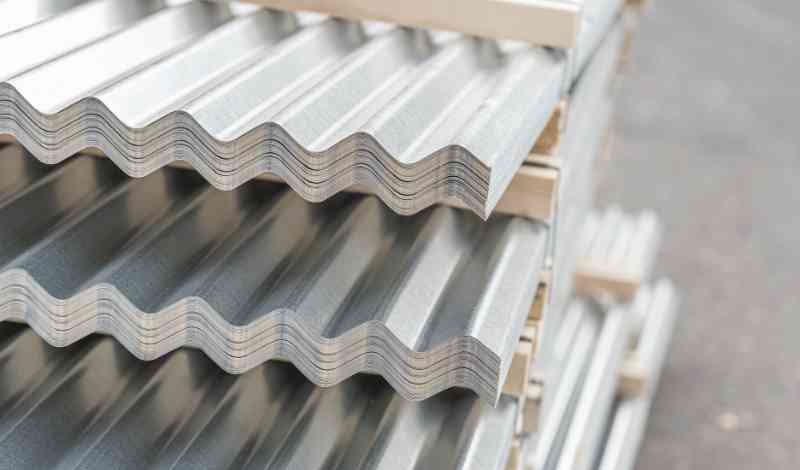
In Seattle, metal roofing systems are typically grouped into four primary categories: standing seam, metal shingles, corrugated panels, and specialty metals. Each offers distinct structural and visual characteristics while addressing the region’s moisture-heavy conditions in different ways.
Standing Seam Metal Roofing
Standing seam metal roofing is defined by vertical panels joined by raised seams, with fasteners concealed beneath the panel system. This design reduces direct exposure at connection points and supports consistent water flow off the roof surface.
Because seams are elevated above the panel plane, standing seam systems manage water efficiently on both steeper slopes and transitional roof sections. The uninterrupted vertical layout also accommodates thermal movement, which is important in environments with frequent temperature and moisture cycling.
Standing seam roofing is commonly selected where clean lines, reduced surface disruption, and strong moisture control are priorities.
Metal Shingles (Steel & Aluminum)
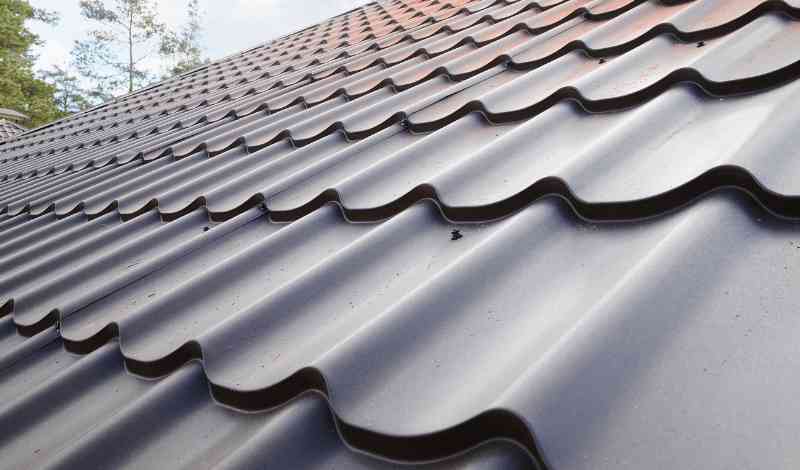
Metal shingles are formed panels designed to replicate the appearance of traditional roofing materials while retaining the structural properties of metal. They interlock across the roof surface, creating a layered system that balances visual familiarity with improved resistance to moisture exposure.
This format allows metal roofing to integrate more seamlessly with traditional architectural styles, while still benefiting from the non-absorbent characteristics of steel or aluminum. Their panelized construction distributes water across defined pathways rather than relying on surface absorption.
Metal shingles are often chosen when a conventional roof appearance is desired without sacrificing moisture performance.
Corrugated Metal Roofing
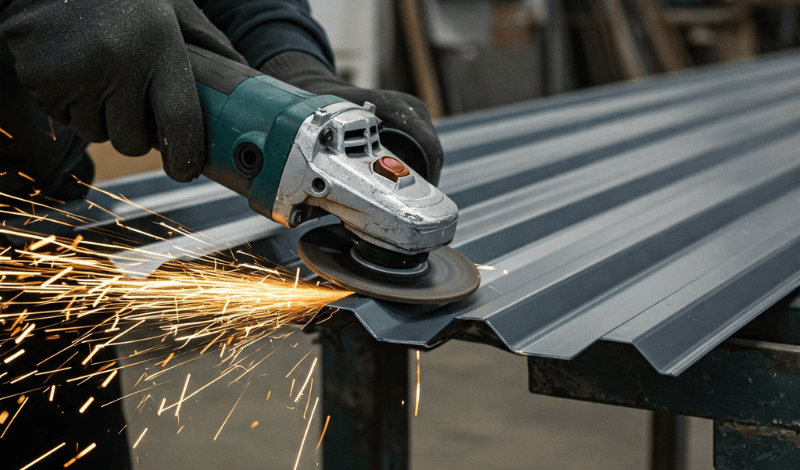
Corrugated metal roofing features a repeating ribbed profile that adds stiffness to the panel and supports effective water runoff. The raised ridges channel moisture downslope and provide structural rigidity across wider spans.
This style emphasizes function and simplicity, making it well-suited to structures where straightforward drainage and durable surface performance are the primary concerns. The exposed profile also tolerates wind-driven rain effectively by minimizing flat areas where water can linger.
Corrugated systems are typically used where architectural detailing is secondary to surface durability and drainage consistency.
Copper & Specialty Metal Roofing
Specialty metal roofing systems, such as copper or zinc, emphasize material behavior over time as well as architectural character. These metals naturally develop surface patinas that act as protective layers, reducing corrosion in moist environments.
Because of their material properties, specialty metals are often used selectively on roof sections where visual prominence or design continuity is important. Their performance in damp, coastal-influenced air makes them suitable for applications where long-term surface stability is required.
Specialty metal roofing is generally applied in targeted or design-driven contexts rather than across entire roof assemblies.
Metal Roofing vs Asphalt Shingles in Seattle
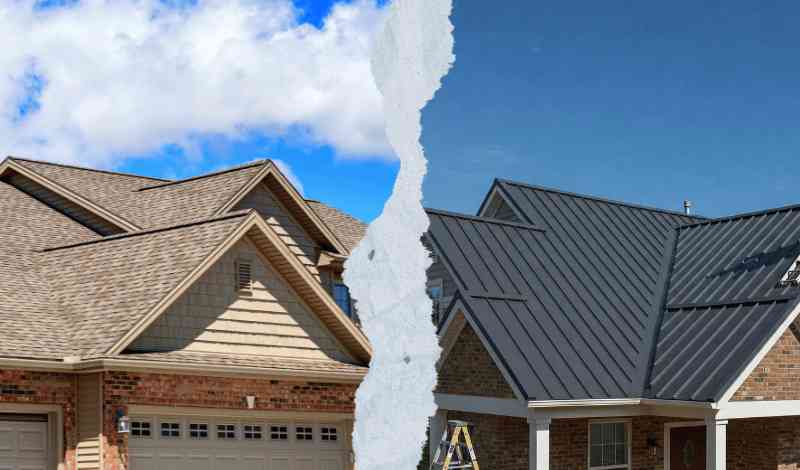
Metal roofing and asphalt shingles are both commonly used in Seattle, but they behave very differently under the region’s persistent moisture, limited drying time, and seasonal wind exposure. The distinction between the two materials is less about basic functionality and more about how each responds to prolonged environmental stress.
In Seattle’s climate, material choice influences how water is managed, how organic growth develops, and how consistently the roof system performs over time.
Durability in Wet Conditions
Metal roofing manages moisture primarily through rapid water shedding and non-absorbent surfaces. Rain is directed off the roof quickly, reducing prolonged saturation and limiting the opportunity for moisture to migrate beneath the roofing layer.
Asphalt shingles, by contrast, rely on layered overlap and surface granules to resist water. In Seattle’s environment, where roofs often remain damp for extended periods, this difference in material behavior becomes more pronounced. Prolonged moisture exposure can accelerate surface wear and compromise how shingles seal and shed water over time.
In areas exposed to repeated rain cycles and variable temperatures, metal roofing tends to maintain dimensional stability, while asphalt shingles may show earlier signs of surface fatigue.
Maintenance Requirements
From a system perspective, metal roofing generally experiences less surface disruption under Seattle’s environmental conditions. Smooth panel surfaces allow water and debris to move off the roof more easily, reducing accumulation in valleys and along edges.
Asphalt shingles, particularly in shaded environments, are more susceptible to organic buildup and surface wear, which can interfere with water flow and increase moisture retention. These differences affect how often surface-related issues arise rather than eliminating the need for oversight altogether.
Both systems still rely on proper detailing at transitions and penetrations, but their interaction with moisture and debris differs fundamentally.
Lifespan Comparison
In Seattle, differences in material longevity are driven primarily by how long roofing materials remain wet, not simply by manufacturer classifications. Metal roofing’s resistance to saturation allows it to maintain performance characteristics more consistently under prolonged exposure.
Asphalt shingles, while effective in many climates, experience accelerated aging when repeatedly subjected to moisture, organic growth, and limited drying. This contrast leads to different replacement cycles over time, particularly on shaded or moisture-prone roof planes.
Longevity in Seattle should therefore be understood as a function of environmental interaction, not just material category.
Cost vs Long-Term Value
The comparison between metal roofing and asphalt shingles in Seattle extends beyond initial investment and into long-term performance consistency. Each material carries different implications for how often roofing systems are disrupted, how they age visually, and how they respond to repeated weather exposure.
Asphalt shingles remain widely used because of familiarity and adaptability across many home types. Metal roofing, meanwhile, is often evaluated for its system stability and reduced sensitivity to moisture-related degradation.
Rather than a simple cost comparison, the decision reflects how homeowners weigh short-term accessibility versus long-term material behavior in a climate that places continuous demands on roof systems.
How Long Does a Metal Roof Last in Seattle?
Metal roofing is widely regarded as a long-term roofing system in Seattle due to its resistance to moisture, dimensional stability, and ability to shed water efficiently. In a climate defined by frequent rain, high humidity, and limited drying time, metal performs differently from absorbent roofing materials.
Actual longevity varies based on material type, environmental exposure, system design, and how well moisture is managed throughout the roof assembly. In Seattle, metal roofs tend to age based on exposure patterns rather than sudden failure events.
Expected Lifespan by Metal Type
Different metal roofing materials behave differently under Seattle’s environmental conditions:
- Steel roofing is commonly used due to its structural strength and compatibility with modern coating systems that help limit corrosion in damp environments.
- Aluminum roofing naturally resists corrosion, which can be advantageous in areas with elevated humidity or marine air influence.
- Copper and zinc roofing develop protective surface patinas rather than traditional corrosion, allowing these materials to remain stable over extended periods.
While these metals vary in composition and surface behavior, all rely on coatings, detailing, and system integration to perform consistently in Seattle’s climate.
Impact of Rain, Salt Air & Tree Coverage
Seattle’s climate places continuous emphasis on moisture management rather than temperature extremes. Metal roofing does not absorb water, which reduces risks associated with swelling, rot, or freeze-related cracking.
However, prolonged exposure to damp air and airborne salts can stress metal surfaces if protective layers are compromised. Modern metal roofing systems account for this through finishes designed to limit surface degradation under wet conditions.
Tree coverage introduces additional variables. Organic debris can slow drying and concentrate moisture in valleys and transitions. While metal resists biological growth more effectively than many materials, prolonged debris accumulation can still influence how water moves across the roof surface.
Installation Quality & Ventilation Factors
In Seattle, metal roof longevity is closely tied to system design rather than material strength alone. Proper detailing at seams, transitions, and penetrations determines how well the roof resists prolonged moisture exposure.
Ventilation plays a critical role by managing temperature differentials and limiting condensation beneath the roofing surface. Without balanced airflow, moisture generated inside the home can interact with cooler roof components, affecting performance over time.
Metal roofs that age prematurely in Seattle often do so because of system-level weaknesses, such as inadequate detailing or airflow imbalance, rather than inherent material failure.
Metal Roofing Cost in Seattle
Metal roofing in Seattle is generally viewed as a higher initial investment compared to asphalt shingles. That difference reflects local labor conditions, roof complexity, and the additional detailing required to manage persistent rain and wind-driven moisture.
Rather than following a flat rate, metal roofing costs in Seattle vary widely based on roof design, access conditions, material profile, and scope of work. For this reason, pricing is best understood as a function of project complexity rather than a simple per-square figure.
Average Cost Ranges (Installed)
Metal roofing projects in Seattle typically fall within a broad installed cost spectrum influenced by both structural and regulatory factors. Homes with straightforward rooflines tend to sit on the lower end of that spectrum, while steep, multi-plane, or highly detailed roofs move toward the upper end.
Differences in roofing style also affect the scope. Seam-based systems and specialty metals involve more precise fabrication and detailing than panelized systems, which influences overall project depth rather than just material quantity.
Because Seattle roofing projects often include moisture-management enhancements, final costs reflect system-level performance requirements, not just the metal panels themselves.
What Drives Metal Roof Pricing in Seattle
Several interconnected factors shape metal roofing costs in the Seattle area:
- Material selection: Steel, aluminum, and specialty metals differ in coating requirements, handling complexity, and detailing needs in damp environments.
- Roof geometry and pitch: Steeper slopes, multiple levels, dormers, and intersecting planes increase labor time and staging requirements.
- Access and site conditions: Tight lots, elevation changes, and limited staging space affect material handling and installation logistics.
- Moisture-control detailing: Enhanced underlayments, flashing systems, and water-management components are commonly incorporated to address prolonged rainfall.
- Existing roof conditions: Tear-off requirements and substrate condition can expand the scope once the original roofing system is removed.
Because these variables differ from one home to another, metal roofing pricing in Seattle is project-specific rather than standardized.
Metal Roof Cost vs Lifetime Cost
Comparisons between metal roofing and other materials in Seattle often focus on long-term system behavior rather than upfront expense. Metal roofing is typically evaluated for its stability under prolonged moisture exposure and its resistance to the gradual degradation common in absorbent roofing systems.
Over time, differences in replacement frequency, repair exposure, and moisture-related risk influence how homeowners perceive overall value. In a climate where long-term water intrusion can lead to secondary interior damage, material performance consistency becomes a key part of that evaluation.
Rather than a short-term cost decision, metal roofing in Seattle is commonly considered within a long-horizon ownership context, especially for properties expected to remain in service for extended periods.
Conclusion: Is Metal Roofing Right for Your Seattle Home?
Metal roofing aligns well with the environmental demands of Seattle, where roofs are exposed to prolonged rain, limited drying time, organic growth, and periodic wind events. Its ability to shed water quickly, resist moisture absorption, and maintain surface stability makes it a strong material option in this climate.
For homeowners evaluating roofing materials, metal roofing tends to make the most sense where long-term performance, reduced moisture sensitivity, and system reliability are priorities. Roof geometry, surrounding tree cover, and exposure conditions often play a larger role in suitability than appearance alone.
Ultimately, determining whether metal roofing is the right choice depends on how your specific roof interacts with Seattle’s climate. Understanding pitch, drainage behavior, shade patterns, and overall system condition provides the clearest insight into whether metal roofing is a practical fit for your home.