
If you own or manage a commercial building in Seattle, your roof is doing more work than you might realize. Between months of steady rain, limited drying time, coastal winds, and strict local building requirements, commercial roofs here operate under constant stress.
Unlike residential systems, commercial roofing in Seattle involves large surface areas, low-slope designs, complex drainage systems, and rooftop equipment that directly impact building operations, tenant comfort, and long-term costs.
A minor issue that might be manageable in a drier climate can quickly escalate here if moisture is allowed to linger.
That’s why successful commercial roofing in this region isn’t just about materials—it’s about system design, weather awareness, code compliance, and ongoing oversight.
The choices made during installation, repair, maintenance, or replacement all influence how well a roof performs through Seattle’s long wet seasons and occasional winter extremes.
This page provides a high-level overview of commercial roofing in Seattle, including the systems commonly used, the evaluation process for repairs and replacements, the factors that drive cost, and the importance of inspections and maintenance.
If you need commercial roofing services in Seattle, Elite Gold Contractors provides inspections, repairs, and replacement solutions tailored to the region’s climate and codes.
Key Takeaways
- Commercial roofing in Seattle must withstand persistent rain, moisture, wind, and occasional snow, making climate-appropriate design and local code knowledge essential.
- TPO and PVC membranes are widely used on flat and low-slope commercial roofs because they resist standing water, UV exposure, and rooftop contaminants while supporting energy efficiency and long-term warranties.
- Modified bitumen, torch down, and built-up roofing systems provide durable, multi-layer protection, especially on buildings with frequent foot traffic or complex roof layouts. Metal roofing offers excellent drainage, longevity, and low maintenance on sloped commercial structures.
- Timely roof repair and emergency response are critical in the Puget Sound region, where small leaks can escalate quickly during prolonged storms.
- Commercial roof replacement decisions typically come down to tear-off versus overlay, guided by roof condition, code requirements, and long-term performance goals—not short-term fixes.
- Routine inspections and preventative maintenance are among the most cost-effective investments for extending roof life, protecting warranties, and reducing unexpected downtime in Seattle’s wet climate.
What is Commercial Roofing in Seattle?
Commercial roofing in Seattle is about designing, installing, and maintaining roof systems for offices, retail spaces, warehouses, industrial buildings, and mixed-use properties across the region.
Compared to residential roofing, commercial systems are more technical. Roofs are typically larger, flatter, and directly tied to building performance, tenant comfort, and regulatory compliance.
Seattle’s climate plays a major role in how these roofs are built and managed. Persistent rain, extended moisture exposure, and occasional snow or ice put constant stress on seams, flashings, drains, and roof penetrations around HVAC units and vents.
On large low-slope roofs—common in areas like SODO or South Lake Union—even small drainage issues can quickly turn into ponding water, interior leaks, or damage to electrical and mechanical systems below.
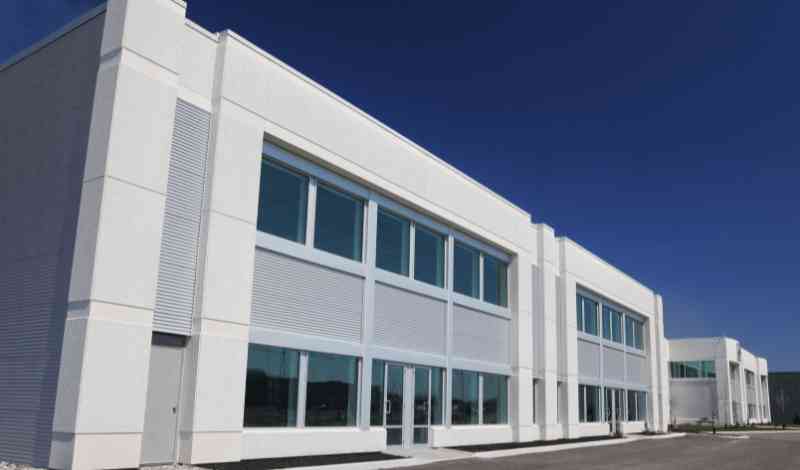
Common Commercial Roofing Systems Used in Seattle
Seattle’s commercial roofs deal with long wet seasons, limited sun exposure, and steady wind off the Sound. Because of that, material choice has a direct impact on leak risk, energy performance, and long-term maintenance costs.
Across the Seattle area, the most common commercial roofing systems include:
- TPO single-ply membranes
- PVC single-ply membranes
- Torch down and modified bitumen roofing
- Metal roofing (standing seam and panel systems)
- Built-Up Roofing (BUR)
- EPDM rubber membranes
- Green or vegetative roofs on select properties
Each system responds differently to heavy rainfall, intermittent UV exposure, and wind loading. Lifespans typically range from 15 to 40+ years, depending on the material, installation quality, drainage design, and maintenance habits.
In Seattle’s climate, annual inspections are strongly recommended to catch drainage, seam, and membrane issues early—before moisture has time to migrate.
TPO Roofing for Commercial Buildings
TPO (Thermoplastic Polyolefin) is one of the most widely used flat-roof systems on Seattle retail centers, warehouses, and office buildings. It’s a white, heat-welded membrane that performs well in wet conditions when drainage is properly designed. Welded seams create a continuous surface that resists leaks during prolonged rain events.
Its reflective surface can help reduce roof surface temperatures during sunny periods, which may lower cooling loads in buildings with high internal heat, such as offices with dense occupancy or equipment-heavy spaces.
TPO also offers solid resistance to UV exposure, ozone, and common rooftop contaminants.
Because it’s lighter than many older multi-ply systems, TPO is often suitable for existing buildings with structural limitations. For many owners, it strikes a balance between cost, availability, and service life, making it a practical option for many low-slope commercial roofs in Seattle.
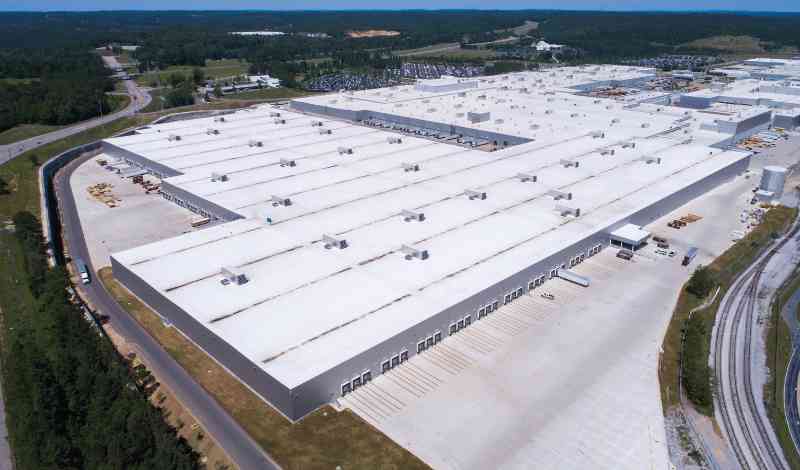
PVC Commercial Roofing Systems
PVC (Polyvinyl Chloride) membranes are frequently selected for Seattle buildings with restaurants, laboratories, or industrial tenants. These environments often vent oils, grease, or chemicals onto the roof, and PVC holds up better against that exposure than many alternatives.
Like TPO, PVC seams are heat-welded, forming strong, watertight joints that perform reliably through extended rain and occasional freeze-thaw cycles. The material also carries strong fire and wind ratings, which can be beneficial on taller or more exposed buildings, including waterfront or hillside properties.
PVC systems are generally easier to detail and repair than traditional multi-layer roofs, which can help shorten project timelines and limit tenant disruption.
While PVC often costs more upfront than basic TPO, many owners choose it for its chemical resistance, durability, and predictable long-term performance on complex roofs with heavy equipment.
Torch Down & Modified Bitumen Roofing
Torch down and modified bitumen systems remain common on smaller commercial buildings, older multifamily properties, and low-slope additions throughout Seattle.
These roofs use polymer-modified asphalt in one or more layers, forming a thick, durable waterproof barrier that handles wind-driven rain and intermittent ponding well.
Multi-ply configurations offer excellent tear and puncture resistance, which is valuable on roofs with frequent service traffic. These systems also work well with tapered insulation designs, helping correct drainage issues on older flat decks that were originally built without slope.
In Seattle’s damp climate, proper drainage is critical to reduce moss growth, algae, and freeze-thaw stress. Modified bitumen is often used for targeted repairs on aging roofs or as a cost-effective option when dependable waterproofing is needed without a full system redesign.
Metal Roofing for Commercial Properties
Metal roofing is especially popular on sloped commercial buildings in Seattle, including schools, medical offices, and mixed-use developments. Standing seam systems use long, interlocking panels with concealed fasteners, which minimize penetration points and resist wind-driven rain.
Smooth metal surfaces shed water, snow, and debris efficiently, reducing moss and needle buildup in tree-dense neighborhoods and suburban areas.
When paired with proper insulation and ventilation, metal roofing can also contribute to stable interior temperatures and energy efficiency.
Metal systems are noncombustible, often supported by long manufacturer warranties, and can outlast many other roofing materials, sometimes exceeding 40 years with routine maintenance.
For owners focused on longevity, fire resistance, and low maintenance, metal roofing is often a long-term investment choice.
Built-Up Roofing (BUR) Systems
Built-Up Roofing (BUR) is a traditional multi-ply system still found on many Seattle warehouses, schools, and industrial buildings. It uses layers of reinforcing felt embedded in asphalt, often topped with gravel, to form a dense, impact-resistant membrane that has proven durable in Seattle’s wet climate.
The mass of a BUR system helps buffer temperature swings and provides strong protection against foot traffic and mechanical wear. It also tolerates ponding water better than many lightweight systems, though drainage design remains essential.
Today, many BUR roofs incorporate reflective coatings to reduce heat absorption during sunny months and extend membrane life by limiting UV exposure.
For large, mission-critical facilities where durability and steady performance matter more than weight or speed of installation, BUR remains a reliable option.
Commercial Roof Repair in Seattle
Commercial roof repair in Seattle focuses on protecting the building envelope from constant moisture, wind exposure, and temperature swings, especially on flat and low-slope roofs that naturally hold water longer than pitched systems.
Repairs matter here because small problems escalate quickly. A minor TPO puncture or a split seam on an aging built-up roof can turn into soaked insulation, interior leaks, or mold growth once Seattle’s fall rains arrive.
Persistent rainfall, coastal humidity, and seasonal windstorms place ongoing stress on seams, flashings, and drainage points.
Addressing leaks, storm damage, or early membrane fatigue early is usually far less expensive than dealing with structural repairs, tenant disruptions, or code-driven upgrades caused by larger failures.
Typical commercial roof repair work around Seattle includes flashing replacement at parapet walls, HVAC curbs, skylights, and other transitions where materials expand and contract.
Crews often perform localized membrane repairs on TPO, PVC, and EPDM systems, reseal seams, patch punctures from debris or rooftop traffic, and correct ponding issues around drains.
On older gravel or modified bitumen roofs, repairs may involve new cap sheet sections, rebuilt pitch pans, or updated metal edge details to meet current building code and wind-rating requirements.
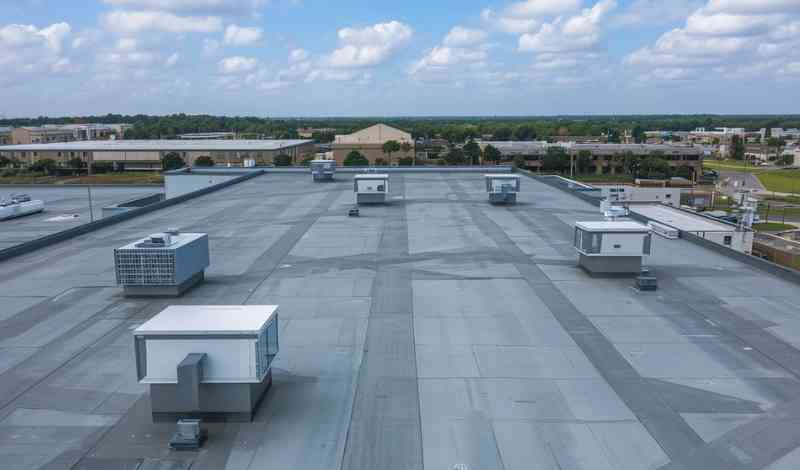
Emergency Commercial Roof Repair
Emergency commercial roof repair in Seattle is about speed and control. Once water breaches the membrane during a storm, it can travel laterally through insulation and appear far from the original entry point as ceiling stains or active leaks.
Most emergency calls begin with stabilizing the situation. Roofing teams locate the leak path through visual inspection and moisture detection, then install temporary protection.
This may involve reinforced tarp systems or heat-sealed temporary membranes, secured to withstand strong gusts off Elliott Bay or Lake Washington.
Inside the building, affected areas are isolated, equipment or inventory is protected, and safety hazards such as slippery floors are addressed while the storm passes, and permanent repairs are planned.
Many buildings lack a clear emergency response plan for roof leaks. Knowing who to call after hours, what immediate interior steps to take, and what level of approval allows temporary work can dramatically reduce response time.
Testing this process before the first major storm can prevent confusion when it matters most.
Documentation plays a key role during emergency events. Photos, videos, inspection reports, and repair records support manufacturer warranty requests. A well-documented history of inspections and timely response can significantly improve outcomes when storm damage occurs.
For example, when a warranted PVC roof experiences storm-related seam failure, records showing routine inspections and prompt emergency mitigation can help shift costs toward warranty coverage rather than unexpected out-of-pocket expenses.
Commercial Roof Replacement in Seattle
Commercial roof replacement in Seattle usually becomes necessary when repairs are no longer practical from either a technical or cost perspective. This often happens when a roof system has reached the end of its service life, leaks are occurring in multiple areas, or moisture has spread into the insulation and roof deck.
Seattle’s climate accelerates this process. High humidity, long wet seasons, and occasional snow or ice place continuous stress on commercial roofing systems—especially older single-ply or built-up roofs that were not designed for today’s performance and energy standards.
Chronic ponding water, recurring interior leaks, widespread blistering or splitting, and deck-related issues are common indicators that replacement should be evaluated.
Roofs that have been repeatedly patched around HVAC units, vents, and parapet walls are frequent candidates for replacement.
Over time, ongoing “leak chasing” can cost more over five to ten years than installing a modern system designed to better manage Seattle’s heavy rain and winter wind exposure.
A professional replacement project typically begins with a thorough condition assessment. This may include selective core cuts to evaluate insulation, moisture surveys, and a close review of drainage components and flashing details.
From there, the scope is defined—whether a tear-off or overlay makes sense, insulation requirements, and which system best fits the building, such as TPO, PVC, EPDM, or metal roofing on sloped sections.
Careful scheduling and staging help reduce disruption to tenants or operations. Installation generally progresses through removal or recovery, insulation upgrades, membrane installation, edge and flashing details, followed by quality checks and warranty registration.
Because large commercial replacements can represent a significant capital investment, choosing an experienced Seattle-area contractor is critical.
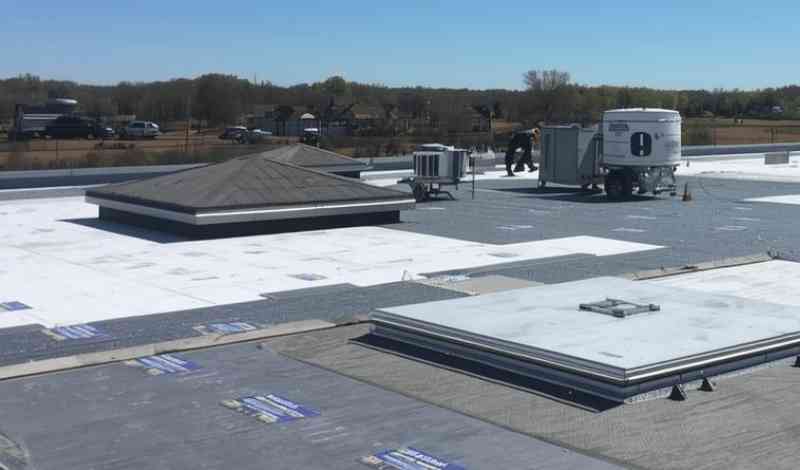
Look for a roofer with local project experience, familiarity with Seattle-area codes, and manufacturer certifications that allow access to stronger labor and material warranties. Emergency response capability is also important—storm damage and leaks rarely wait for business hours.
Upgrading to today’s commercial roofing systems can deliver measurable benefits. Improved insulation values help stabilize interior temperatures, reflective membranes limit UV exposure, and modern detailing improves long-term moisture resistance.
Many current systems offer 20 to 30-year manufacturer warranties when installed to specification, making installation quality just as important as material choice.
Tear-Off vs Overlay for Commercial Roofs
When planning a commercial roof replacement, owners typically evaluate tear-off versus overlay options. Each approach has advantages and limitations depending on roof condition, code requirements, and long-term goals.
Tear-Off
- Pros: Full inspection of the deck, removal of wet or damaged materials, ability to fully upgrade insulation and drainage, and the best long-term durability
- Cons: Higher upfront cost, more noise and disruption, and increased debris disposal
Overlay
- Pros: Lower initial cost, faster installation, and reduced disruption to tenants
- Cons: Existing deck issues remain hidden, weight and code limitations apply, and long-term durability may be reduced
In Seattle, a full tear-off is often the better choice when a roof shows trapped moisture, freeze-thaw damage, or prolonged ponding that may have compromised the deck.
Removing the existing system allows crews to address damaged substrates, add tapered insulation for improved drainage, and install continuous insulation that aligns with current energy codes.
Overlay systems can work when the existing roof is mostly dry, structurally sound, and limited to a single roof layer.
In these cases, a new recovery board and membrane can modernize waterproofing and UV resistance while keeping disruption low for occupied buildings like offices, restaurants, or clinics.
Before deciding, a data-driven evaluation is essential. Moisture surveys, structural load review, and confirmation of local code limits help ensure the chosen approach supports long-term performance.
While overlays can reduce upfront costs, hidden moisture or deck weaknesses can lead to premature failure under Seattle’s winter conditions.
A qualified contractor should clearly explain both options, outlining cost, risk, and life-cycle expectations so owners can make an informed decision based on durability—not just the lowest bid.
Commercial Roofing Costs in Seattle
Commercial roofing costs in Seattle are influenced by more variables than in many other regions, including higher labor standards, persistent wet weather, and tighter building and safety regulations.
For owners and facility managers, the key to budgeting accurately is understanding what drives cost, not just comparing headline numbers.
In general, commercial roofing expenses increase as projects move from localized repairs to partial system upgrades and then to full roof replacement. The scale of the building, the condition of the existing roof, and how accessible the site is all play a major role.
A small neighborhood retail building and a multi-story office property may use similar materials, yet their total project costs can differ significantly.
Because pricing varies widely, written, itemized estimates are essential. A proper commercial roofing proposal should clearly explain:
- Scope of work, including whether the project involves repair, overlay, or full replacement
- System design assumptions, such as insulation levels and drainage approach
- Warranty structure, including manufacturer versus contractor coverage
- Allowances and contingencies for hidden moisture or deck conditions
Without this clarity, it’s difficult to compare bids or understand long-term risk.

Accessibility also has a major impact. Buildings with limited staging space, height restrictions, or crane requirements typically cost more than single-story structures with open access.
Steeper commercial roofs and occupied buildings can further increase labor time due to safety requirements and scheduling constraints.
Rather than focusing only on upfront expense, many Seattle property owners evaluate life-cycle cost.
A roofing system that performs reliably in wet conditions, requires fewer emergency repairs, and supports energy efficiency often delivers better value over decades than a lower-cost option with higher maintenance needs.
Commercial Roof Maintenance & Inspections
Preventative maintenance on a Seattle commercial roof is not optional—it’s about protecting cash flow, tenants, and daily operations in a climate that keeps roofs wet for much of the year.
Regular inspections, minor repairs, and basic upkeep can add meaningful years to the service life of TPO, PVC, metal, and built-up roofing systems, while reducing the risk of disruptive emergency leaks.
Effective maintenance programs focus on early detection, not reaction. Small membrane punctures, clogged drains, or aging flashing details often start as minor issues but can quickly escalate into saturated insulation, interior damage, or compliance problems if left unaddressed.
Flat and low-slope roofs—common on Seattle warehouses, offices, and retail buildings—are especially vulnerable due to ponding water, wind-driven rain, and organic growth.
Buildings exposed to Puget Sound winds, industrial exhaust, or heavy tree cover often require closer monitoring because debris, chemicals, and moisture accelerate wear.
At a high level, commercial roof maintenance in Seattle typically involves:
- Managing drainage to prevent standing water
- Monitoring seams, penetrations, and flashing transitions
- Identifying early membrane wear or surface damage
- Addressing organic growth before it traps moisture
- Reviewing prior repair areas for movement or recurrence
Working with a commercial roofing contractor that provides documented inspections, photos, and condition summaries gives property managers clarity for budgeting and long-term planning. These records also help isolate localized issues rather than assuming the entire roof system is failing.
Maintenance documentation is especially important for manufacturer warranties, most of which require periodic inspections and timely repairs.
Ignoring those requirements can void coverage and leave owners exposed when storms reveal long-neglected defects.
Relative to full replacement, routine inspections and minor repairs are modest investments, particularly in Seattle’s wet, wind-exposed environment, where roof deterioration accelerates faster than in drier regions.
Recommended Inspection Frequency
For Seattle commercial roofs, a common guideline is two professional inspections per year—one after winter weather and one before the fall rain season begins.
This cadence is especially important for flat and low-slope systems, which are more prone to drainage issues, foot-traffic damage, and slow-developing leaks around rooftop equipment.
Additional inspections are advisable after significant weather events, such as strong windstorms, rare heavy snow, or hail. These conditions can dislodge flashings, shift edge metal, or puncture membranes without immediate interior signs.
Properties located near industrial zones or under dense tree cover may also benefit from more frequent reviews due to debris accumulation, organic growth, or chemical exposure.
A professional inspection typically evaluates overall roof condition, drainage performance, transitions and penetrations, perimeter details, and previously repaired areas. What matters most is not just the inspection itself, but clear documentation—photos, notes, and condition summaries that create a historical record.
That history supports warranty claims, guides capital planning, and demonstrates responsible roof stewardship during property sales.
Choosing the Right Commercial Roofing Contractor in Seattle
Choosing the right commercial roofing contractor in Seattle ultimately comes down to trust, clarity, and long-term thinking. In a climate where roofs are tested almost year-round, the goal isn’t just getting through the next storm—it’s having a system, and a partner, that performs predictably over decades.
The best outcomes happen when owners work with contractors who understand Seattle’s weather, codes, and building types, communicate clearly, and take responsibility beyond installation day.
From inspections and repairs to full replacements and ongoing maintenance, commercial roofing works best when it’s treated as a managed asset rather than a reactive expense.
If a roofer can explain options in plain language, back recommendations with real local experience, and connect today’s decisions to future performance, costs, and energy efficiency, you’re on the right path.
That kind of guidance helps you plan confidently, protect tenants and operations, and avoid unpleasant surprises when the weather turns—as it inevitably does in Seattle.
For property owners and facility managers evaluating commercial roofing options in the Seattle area, Elite Gold Contractors supports low-slope roof assemblies commonly used on office buildings, retail properties, and mixed-use structures.
Our work includes inspections, repairs, and roof replacement, helping clients understand system performance, building conditions, and long-term planning considerations—making it easy to connect with a commercial roofing specialist when questions arise.