
Asphalt shingle roofing is everywhere in Seattle—and for good reason. It works with the city’s wide mix of roof shapes, holds up under months of rain, and fits the practical expectations of most homeowners in the Pacific Northwest.
From shaded, tree-covered neighborhoods to homes exposed to wind and driving rain, asphalt shingles have become the go-to roofing material because they adapt well to local conditions when used as part of a complete roofing system.
Understanding how asphalt shingles perform in Seattle’s wet climate—and what factors influence their durability—helps homeowners make clearer, more confident decisions about their roof.
This page breaks down how asphalt shingle roofing behaves in Seattle, the types commonly used, and the environmental challenges that shape real-world performance in our region.
Key Takeaways
- Asphalt shingle roofing is widely used in Seattle because it adapts well to varied roof shapes and performs reliably under frequent rain and wind exposure.
- Three primary asphalt shingle categories are used locally: three-tab, architectural, and premium/luxury. These differ mainly in construction depth, surface stability, and visual profile.
- Seattle’s climate places continuous moisture stress on asphalt shingles, making performance dependent on how well the roofing system manages water, airflow, and drying time.
- Common regional challenges include moss and algae growth, prolonged surface dampness, and wind-driven rain, which tend to cause gradual wear rather than sudden failure.
- Asphalt shingles remain a practical alternative to heavier roofing materials, offering broad availability and system compatibility across most residential properties.
- Visual flexibility is a major advantage, allowing asphalt shingles to integrate with both traditional and modern home designs throughout Seattle’s diverse housing stock.
What is Asphalt Shingle Roofing?
Asphalt shingle roofing—often called composition roofing—is a layered roofing system made up of a base mat, an asphalt coating, and mineral surface granules.
The base mat is typically fiberglass in modern systems, while some older homes in the Puget Sound region may still have earlier organic-mat versions.
Each layer serves a specific role: asphalt provides water resistance, and granules protect against UV exposure while adding color and fire resistance.
Asphalt shingles are the most widely used residential roofing material in Seattle and the surrounding region because they adapt well to varied roof shapes and slopes.
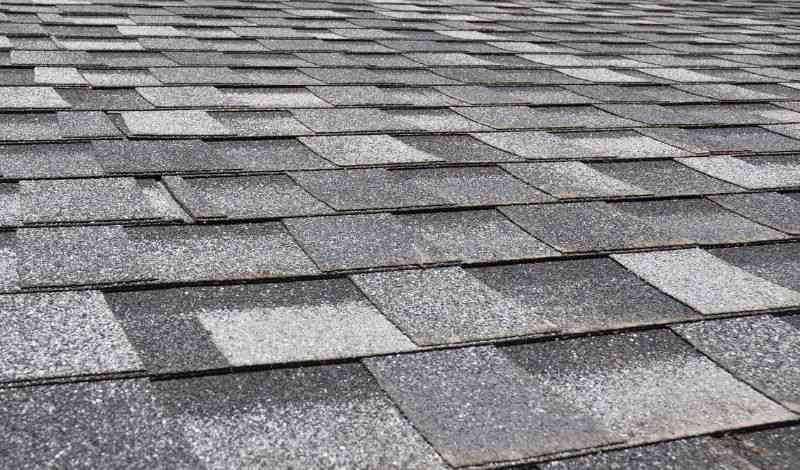
From steep gables to moderate hips and secondary low-slope sections, asphalt shingle systems can be configured to suit most residential roof designs.
In Seattle’s wet climate, asphalt shingle performance depends on how the entire roofing assembly manages moisture, not just the surface layer.
Shingles are commonly paired with enhanced underlayment and waterproofing details in areas exposed to wind-driven rain or slower drainage, helping the system shed water effectively despite frequent rainfall.
Why Asphalt Shingles Are Popular in Seattle
Asphalt shingles are the most commonly used roofing material in Seattle because they align well with the region’s wet climate, varied roof designs, and practical performance expectations. Their continued popularity reflects adaptability rather than trend.
Adaptability to Seattle’s Wet Climate
Seattle’s long rainy season, frequent cloud cover, and wind-driven moisture require roofing materials that shed water efficiently and tolerate prolonged damp conditions. Asphalt shingles are designed as overlapping systems that direct water downslope rather than allowing it to pool or linger on the roof surface.
When integrated into a complete roofing assembly, asphalt shingles perform reliably under extended drizzle, intermittent storms, and seasonal wind exposure. Their structure supports consistent drainage even when roofs remain wet for days at a time.
Key performance characteristics that support use in Seattle include:
- Resistance to moisture-related surface deterioration
- Compatibility with layered waterproofing systems
- Stability under repeated rain and moderate wind exposure
- Reduced susceptibility to staining and organic growth
Together, these traits allow asphalt shingles to function predictably in a climate where drying time is limited.
Cost-Effectiveness Compared to Other Roof Types
Asphalt shingles occupy a practical middle ground among roofing materials used in Seattle. They offer dependable weather performance without the complexity, specialization, or material handling demands associated with heavier or niche roofing systems.
Their widespread use also means asphalt shingle systems are easy to integrate into future repairs or partial replacements, which supports long-term flexibility in a region where roofs are frequently exposed to tree debris and weather-related wear.
This balance of performance and accessibility contributes to their sustained adoption across a wide range of residential properties.
Design Flexibility for Seattle Homes
Seattle’s housing stock spans multiple architectural eras and styles, and asphalt shingles adapt well across that spectrum. Available profiles and textures allow roofs to maintain visual consistency without requiring material-specific design constraints.
Rather than dictating aesthetics, asphalt shingles provide design neutrality, enabling homeowners to complement both traditional and contemporary exterior finishes while retaining a material suited to wet conditions.
Their ability to balance appearance with functional performance makes them a versatile choice in a city where visual standards and environmental demands intersect.
Types of Asphalt Shingles Used in Seattle
Asphalt shingles are the most common roofing material used across Seattle and the broader Puget Sound region. While asphalt shingles are inherently more moisture-sensitive than some premium materials, their versatility, availability, and adaptability to different roof designs have made them a long-standing choice in this climate.
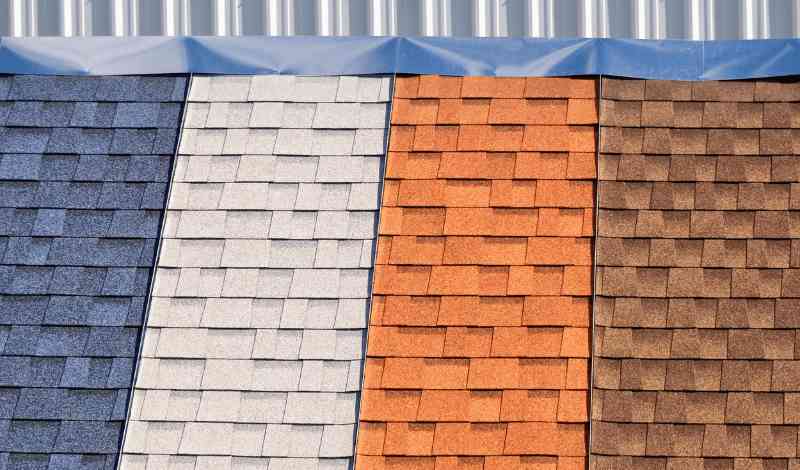
In Seattle, asphalt shingles are generally evaluated based on construction thickness, resistance to moisture-related wear, and visual profile, rather than on a single “best” option. The three primary categories used locally are three-tab, architectural (dimensional), and premium or luxury shingles.
Three-Tab Asphalt Shingles
Three-tab shingles represent the most basic form of asphalt roofing. They feature a flat, uniform appearance and a lighter construction that suits simple roof designs.
Because of their thinner profile, three-tab shingles tend to be more sensitive to prolonged moisture exposure and wind stress in Seattle’s environment. In areas with frequent shade or slower drying, these shingles may show surface wear or biological staining earlier than thicker alternatives.
Three-tab shingles are typically selected where appearance demands are minimal and roof geometry is straightforward, rather than where long-term moisture resistance is the primary concern.
Architectural (Dimensional) Shingles
Architectural shingles use a laminated construction, creating a thicker profile and a more textured appearance. This added mass improves stability and helps the shingles perform more consistently under extended rain exposure and moderate wind conditions.
In Seattle, architectural shingles are commonly used because their construction tolerates tree debris, moisture cycling, and uneven drying better than thinner shingle styles. Many dimensional shingles are also designed to reduce surface staining in damp environments.
This category has become the most widely installed asphalt shingle type on residential roofs due to its balance of system compatibility and visual depth.
Premium / Luxury Asphalt Shingles
Premium or luxury asphalt shingles feature extra-thick, multi-layer construction intended to replicate the appearance of heavier roofing materials. Their weight and rigidity provide increased resistance to wind movement and surface deformation in wet, exposed conditions.
In Seattle’s climate, luxury shingles are typically used where architectural character and material presence are priorities. While they offer enhanced stability, they still rely on the same moisture-management principles as all asphalt systems.
Luxury asphalt shingles are evaluated less by basic function and more by how they integrate into complex roof designs while maintaining performance under persistent moisture exposure.
How Long Asphalt Shingle Roofs Last in Seattle
Asphalt shingle roofs in Seattle experience shorter real-world service lives than the same materials installed in drier regions. Persistent rain, limited sunlight, organic growth, and seasonal wind exposure place continuous stress on shingle systems throughout the Puget Sound.
While manufacturers describe asphalt shingles in broad lifespan categories, Seattle’s environment often accelerates aging by keeping roofing materials wet for extended periods. This prolonged moisture exposure increases granule loss, weakens seal strips, and encourages biological growth, all of which contribute to earlier performance decline compared to national averages.
In practical terms, asphalt shingle longevity in Seattle is shaped more by climate interaction and system behavior than by product labeling alone.
Manufacturer Lifespan vs Seattle Reality
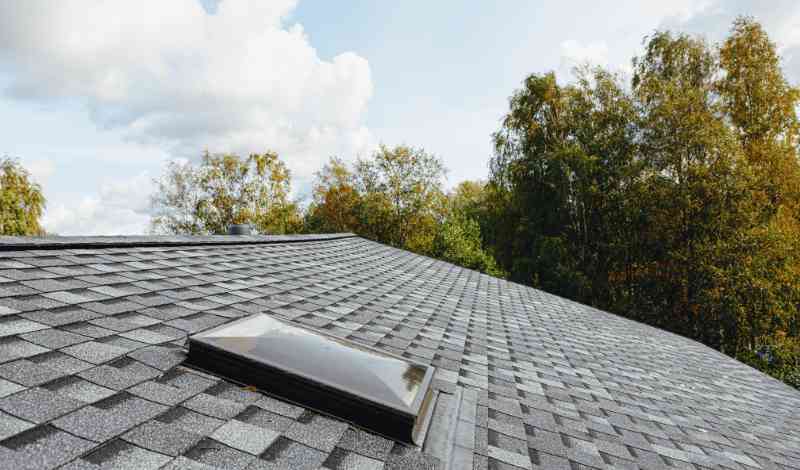
Manufacturer lifespan classifications are based on generalized conditions across North America. Seattle’s marine climate introduces constant dampness, shade, and debris accumulation, which differ substantially from the assumptions behind those ratings.
Because shingles in this region dry more slowly and experience repeated wet–dry cycling, they tend to reach functional wear sooner than identical products installed in sunnier or more arid climates. This does not indicate product failure; rather, it reflects environmental loading that exceeds average exposure conditions.
As a result, performance expectations for asphalt shingles in Seattle must be localized, accounting for moisture retention and organic pressure rather than relying solely on published lifespan categories.
Factors That Shorten Shingle Life
Several environmental and system-related factors commonly reduce asphalt shingle longevity in Seattle:
- Persistent moisture retention due to frequent rain and limited drying
- Moss and organic growth, which hold water against shingle surfaces
- Wind-driven rain, especially along ridges and roof edges
- Shaded roof areas, where drying is consistently delayed
- Drainage stress, where water concentrates near edges or valleys
- System imbalance, such as moisture trapped beneath the roof surface
These factors tend to act cumulatively, meaning degradation develops gradually rather than through sudden failure.
Signs Your Asphalt Shingle Roof Is Aging
Asphalt shingle aging in Seattle often becomes apparent through changes in surface behavior and moisture resistance, not just visible breakage.
Common indicators of advancing wear include:
- Loss of surface granules that reduces UV and moisture protection
- Shingle deformation or loss of uniform alignment
- Increased sensitivity to wind-driven rain
- Interior signs of moisture migration during prolonged storms
Because moisture intrusion can remain localized at first, early aging may affect specific roof planes or transitions before spreading across the system.
Common Asphalt Shingle Roof Problems in Seattle
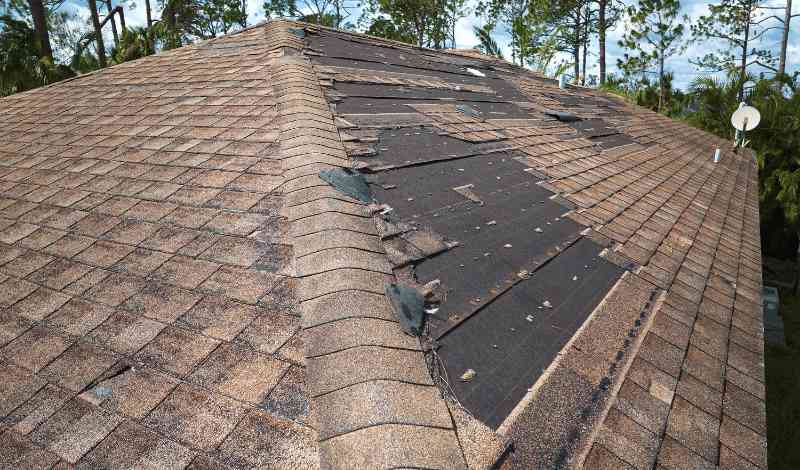
Asphalt shingles are widely used across Seattle, but they are continuously tested by persistent moisture, limited drying time, shade, and wind-driven rain. In this environment, problems tend to develop gradually rather than through sudden failure, often remaining unnoticed until water intrusion progresses beyond the surface layer.
Seattle’s climate accelerates wear patterns that are less pronounced in drier regions. Organic growth, prolonged dampness, and repeated wet–dry cycling place sustained stress on asphalt shingles, particularly on shaded roof planes and areas where water movement slows.
Moss and Algae Growth
Seattle’s cool temperatures, frequent rain, and heavy tree cover create ideal conditions for moss and algae colonization on asphalt shingles. Growth typically establishes first on north- and east-facing slopes where sunlight is limited and surfaces remain wet for extended periods.
Moss and algae affect more than appearance. Organic growth traps moisture against the shingle surface, increasing saturation time and interfering with proper water shedding. Over time, this moisture retention contributes to surface degradation and weakens the protective granule layer.
Because moss growth often begins in isolated patches, its impact may remain localized at first before spreading across adjacent roof areas if conditions persist.
Moisture Intrusion Beneath Shingles
Moisture intrusion beneath asphalt shingles is one of the most consequential issues in Seattle roofs. Prolonged rainfall and wind-driven moisture can exploit small vulnerabilities within the roofing system, allowing water to migrate below the surface layer.
Once beneath the shingles, moisture can affect underlayment, roof decking, and attic materials without immediately producing visible exterior damage. This type of intrusion is particularly problematic because it develops quietly, often progressing over multiple seasons before symptoms appear inside the home.
Moisture-related degradation in Seattle is commonly associated with extended saturation rather than single storm events.
Wind-Driven Rain Damage
Seattle experiences periodic wind events that can expose asphalt shingles to uplift forces and lateral rain penetration. Wind-driven rain differs from vertical rainfall by pushing moisture sideways beneath shingle overlaps and into vulnerable transition points.
Roof edges, ridges, and upper slopes are especially susceptible, as wind pressure can stress shingle seals and expose underlying layers. Even minor displacement caused by wind can alter how water flows across the roof surface during subsequent storms.
In Seattle’s climate, wind-related shingle issues often interact with moisture retention, compounding wear rather than acting as isolated damage events.
Asphalt Shingle Roofing Costs in Seattle
Asphalt shingle roofing is widely regarded as one of the more accessible roofing options for homes in Seattle, largely because it balances material availability with adaptability to local roof designs. While overall roofing projects in Seattle tend to reflect higher labor and regulatory costs than national averages, asphalt shingles remain a comparatively flexible choice across a broad range of residential properties.
Actual project pricing varies significantly and depends less on the shingles alone and more on how the roof is designed, accessed, and integrated into the broader roofing system.
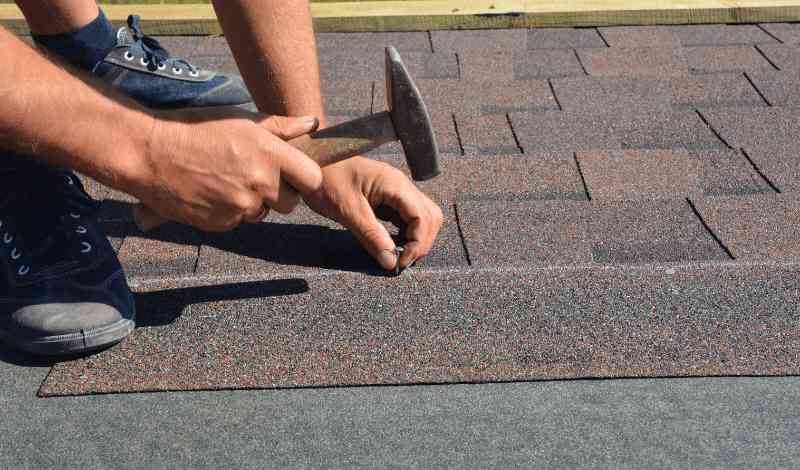
Cost Range Overview
Asphalt shingle roofing projects in Seattle span a wide spectrum, influenced by factors such as roof size, geometry, material profile, and system complexity. Rather than a fixed figure, costs are best understood as a range shaped by scope, especially when accounting for weather exposure and moisture-management requirements common to the region.
Most asphalt shingle projects fall into a middle tier compared to other roofing materials, offering predictable performance without the specialized handling associated with heavier or niche systems.
What Impacts Final Cost
Several variables influence the overall scope and investment required for asphalt shingle roofing in Seattle:
- Roof size and layout: Larger roof areas and complex designs require more materials and labor, particularly where multiple slopes, valleys, or transitions are present.
- Pitch and accessibility: Steeper roofs or structures with limited access increase project complexity due to safety considerations and staging requirements.
- Material profile Thicker: or more architecturally detailed shingles introduce additional material weight and installation considerations that affect overall scope.
- System components: Underlayment, flashing details, ventilation integration, and drainage management all contribute to how the roof performs in Seattle’s wet climate and influence project depth.
- Existing roof conditions: Tear-off requirements, substrate condition, and prior installation quality can expand the scope beyond surface-level replacement.
- Local regulations and permitting: Seattle-area requirements related to permits and inspections factor into project planning and execution.
Because these elements vary from home to home, asphalt shingle roofing costs in Seattle are best evaluated through project-specific assessments rather than generalized estimates.
Conclusion: Is Asphalt Shingle Roofing Right for Your Seattle Home?
Asphalt shingle roofing remains a common choice across Seattle because it aligns well with the region’s climate demands, housing styles, and practical performance expectations.
In an environment defined by frequent rain, organic growth, and seasonal wind, asphalt shingles continue to function as a balanced roofing solution rather than a specialty material.
Their appeal lies in versatility. Asphalt shingles adapt to a wide range of roof designs, integrate smoothly into layered roofing systems, and offer visual flexibility that suits both traditional and modern homes.
When paired with a properly designed roofing assembly, they can deliver dependable performance under Seattle’s prolonged moisture exposure.
Ultimately, whether asphalt shingle roofing is the right choice comes down to system execution rather than material category alone. In Seattle, long-term results are shaped by how well the roof manages water, airflow, and transitions—not simply by the shingles themselves.