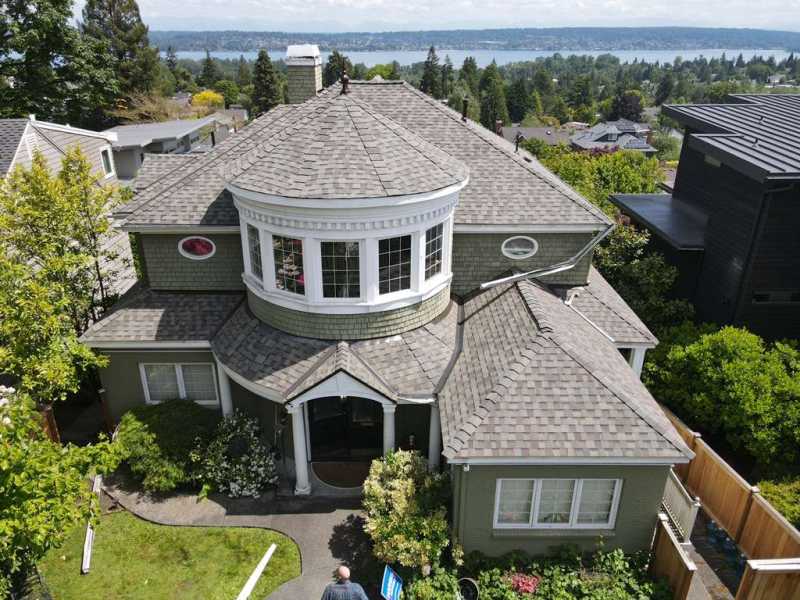
If you’re asking how much roof replacement costs in Seattle, you’re already thinking ahead.
Pricing here varies widely because of our wet climate, moss growth, strict building codes, and higher labor standards—so national averages rarely reflect what Seattle homeowners actually pay.
This article focuses specifically on roof replacement cost in Seattle, while our main roof replacement in Seattle guide offers additional context for homeowners planning a replacement.
As a local roofing company, Elite Gold Contractors installs roofing systems designed for Seattle’s moisture-heavy conditions, with clear pricing and code-compliant workmanship you can trust.
Let’s break down the real numbers and cost factors that matter.
Key Takeaways
- Roof replacement in Seattle costs more than the national average due to higher labor rates, strict codes, and a wet, moss-prone climate.
- Roof size, pitch, complexity, and access have the biggest impact on total cost, often more than materials alone.
- Material choice affects both upfront and long-term costs. Asphalt shingles are the most affordable, while metal and premium systems last longer and perform better in Seattle weather.
- Tear-off, disposal, permits, and code upgrades can add a noticeable amount to the final price and should be planned for upfront.
- Hidden issues like rotten decking or moisture damage are common, making a contingency budget a smart move for Seattle homeowners.
What is the Average Roof Replacement Cost in Seattle?
Roof replacement in Seattle typically costs more than the national average due to higher labor rates, strict building codes, and the region’s prolonged wet season.
Nationwide, many homeowners spend $8,000–$15,000 for a full roof replacement.
In Seattle, a more realistic range for most single-family homes is $12,000–$28,000, depending on roof size, pitch, material, and complexity.
Homes with steep slopes or complex architecture can exceed $30,000, while smaller, low-slope roofs may fall closer to the lower end.
The median Seattle single-family home has roughly 1,800–2,200 square feet of living space, which usually translates to 2,000–2,500 square feet of roofing area.
On a roof of that size:
- Asphalt shingle replacement often runs $6–$9 per square foot installed, or $12,000–$22,500 total
- Smaller single-story homes may land in the $9,000–$16,000 range
- Larger homes with steep pitches, valleys, and skylights can reach $20,000–$32,000 or more
Seattle Roofing Material Cost Ranges (Installed)
| Roofing Material | Approx. Cost per Sq. Ft. | Typical Lifespan in Seattle |
|---|---|---|
| Architectural Asphalt Shingles | $4 – $8 | 18 – 25 years |
| Premium Asphalt / Composite | $7 – $12 | 25 – 30+ years |
| Metal (Steel or Aluminum) | $9 – $16 | 40 – 50+ years |
| Natural Slate | $20 – $35+ | 75+ years |
Costs assume average tear-off and installation. Steep or complex roofs trend higher.
For many Seattle homeowners, architectural asphalt shingles set the baseline at $12,000–$22,000.
Premium materials such as metal or composite roofing typically push totals into the $20,000–$40,000 range.
While the upfront jump can be significant, longer-lasting materials often mean fewer repairs, less moss treatment, and no second replacement decades down the road.
What Factors Most Affect Roof Replacement Cost in Seattle?
Seattle roof replacement pricing is shaped by a mix of physical roof characteristics and local market conditions.
While material choice matters, the biggest cost drivers usually come down to how difficult your roof is to work on and how much labor time the project requires in Seattle’s wet, safety-conscious environment.
Roof Size, Pitch, and Complexity
Roof size is the primary factor in determining pricing.
Contractors calculate estimates by the “square” (100 square feet), so larger roofs naturally cost more than smaller ones using the same materials.
Complexity quickly raises the price.
Roofs with multiple valleys, dormers, skylights, chimneys, or intersecting rooflines require more cutting, flashing, and waterproof detailing.
Each transition point increases labor time and the risk of leaks if not handled correctly.
Pitch plays an equally important role. Low-slope or walkable roofs are faster and safer to install.
Steep roofs require harnesses, roof jacks, staging planks, and slower movement—especially in Seattle, where surfaces stay slick for much of the year.
That additional safety setup and reduced productivity shows up directly in labor costs.
Local Labor Rates and Roofing Demand
Seattle is a high-cost labor market.
Roofing wages here reflect the region’s cost of living, strong housing demand, and the limited number of skilled, licensed roofing crews available.
Demand stays high year-round due to constant remodeling, aging housing stock, and moisture-related roof failures.
During dry summer months, reputable contractors book out quickly.
In wetter seasons, rain management, tarping, and shorter daylight hours increase the time required per job.
Hiring experienced crews may cost more upfront, but it significantly reduces the risk of leaks, moisture intrusion, and mold—issues that are especially expensive to fix in Seattle homes.
Roof Type, Architecture, and Layout
Simple gable roofs are the most cost-effective to replace because they have fewer edges, transitions, and penetration points.
Hip roofs, which are common in many Seattle neighborhoods, add extra ridges and valleys that increase cutting and flashing labor.
Flat and low-slope roofs often require membrane systems such as TPO, PVC, or modified bitumen.
These systems involve different installation methods, drainage planning, and detailing around parapet walls and roof penetrations.
Architectural features also matter.
Roof decks over living space, wide overhangs, exposed beams, and multi-level designs require additional waterproofing and coordination.
On tight Seattle lots, limited staging space further slows production and increases labor hours.
Material Selection and Climate Performance
Material choice affects cost both immediately and over time.
Asphalt shingles are the most affordable upfront, but Seattle homeowners often upgrade to algae-resistant versions to reduce staining and moss growth.
Metal roofing costs more initially but performs exceptionally well in constant rain, sheds debris easily, and resists moss buildup.
Wood shake and shingle roofs are among the most expensive to install and maintain in Seattle’s wet, shaded environment.
Accessories also add cost.
Synthetic underlayment, ice-and-water shield, metal flashings, and improved ventilation systems raise the upfront price but dramatically reduce moisture-related failures common in the Pacific Northwest.
How Does Roofing Material Choice Impact Replacement Cost in Seattle?
Roofing material is often the single biggest pricing variable in a Seattle roof replacement, influencing both your initial investment and long-term ownership costs.
Upfront Cost vs Lifetime Cost in Seattle’s Climate
Asphalt shingles remain popular because they offer the lowest upfront cost and acceptable performance in Seattle’s cool, wet conditions.
Most architectural asphalt systems fall into the lower-to-mid price range, depending on roof complexity.
Metal, composite, and slate systems cost significantly more at installation.
However, their longer lifespan can change the overall cost picture.
A homeowner who replaces an asphalt roof twice over 40 years may spend more than someone who installs a metal roof once.
Seattle’s constant moisture accelerates wear on lower-end materials, making lifecycle cost an important consideration rather than just the initial estimate.
Maintenance and Moss Resistance by Material
Moss and organic growth are major concerns in Seattle.
Standard asphalt shingles can stain and degrade faster if moss is not regularly controlled.
Algae-resistant shingles reduce staining but still require periodic maintenance.
Metal roofing naturally sheds moss, pine needles, and debris, making it attractive for homes surrounded by trees.
Wood shake roofs, while visually appealing, require frequent cleaning and treatment and are prone to rot if maintenance lapses.
Materials that reduce ongoing maintenance often provide better long-term value for Seattle homeowners despite higher upfront costs.
Energy Efficiency and Long-Term Value
Some premium roofing materials reflect more solar heat and perform better during occasional heat waves.
When paired with proper attic insulation and ventilation, they can help regulate indoor temperatures.
While energy savings alone rarely justify a roofing upgrade, reduced maintenance, fewer repairs, and longer replacement cycles often do.
For homeowners planning to stay in their home long-term, material choice becomes a strategic decision rather than just a budget one.
How Does Roof Accessibility Impact Replacement Cost?
Roof accessibility directly affects labor time, crew size, and equipment needs—making it a quiet but powerful cost driver in Seattle roof replacement projects.
Multi-Story and Hillside Homes
Multi-story homes and houses built on hillsides typically cost more to re-roof than single-story homes.
Crews need additional ladders, scaffolding, and safety systems, and material handling takes longer.
A steeply sloped lot or elevated foundation can easily add a full day of labor compared to a flat, accessible site.
Limited Access, Parking, and Staging
Many Seattle neighborhoods have narrow streets, limited parking, and alley-only access.
When trucks or dumpsters cannot be positioned close to the home, materials must be carried farther and debris hauled in smaller loads.
If shingles cannot be rooftop-delivered and must be moved by hand, labor hours increase quickly.
Disposal fees may also rise due to multiple haul-off trips.
Steep Roof Pitch and Safety Requirements
Steeper roofs slow installation significantly.
Once pitch exceeds walkable limits, crews must use roof jacks, planks, harness anchors, and additional safety monitoring.
Complex features such as dormers, skylights, turrets, and multiple valleys add further detailing work.
These conditions require higher-skill labor and longer installation times, both of which increase total cost.
How Do Tear-Off and Disposal Costs Affect Pricing?
Roof replacement costs in Seattle extend beyond the new materials.
Removing and disposing of the old roof can represent a substantial portion of the total budget.
Single-Layer vs Multi-Layer Roof Removal
A single layer of asphalt shingles is straightforward to remove.
Homes with two or more layers require additional labor, more dumpster space, and longer tear-off time.
Each added layer increases debris weight, nail removal, and disposal fees, all of which show up in the final price.
Heavy Materials and Disposal Fees
Tile, slate, and older wood shake roofs are heavier and more labor-intensive to remove.
These materials may require specialized handling, extra crew members, or machinery.
Disposal facilities in the Seattle area often charge by weight, making heavier tear-offs more expensive to dump.
Recycling and Local Seattle Regulations
Seattle and King County have specific rules regarding debris handling and recycling.
Asphalt shingles may be recycled, while other materials must go to designated facilities.
Compliance adds logistical complexity, additional trips, and administrative costs that contractors must account for in their estimates.
How Do Labor Costs in Seattle Affect Roof Replacement Pricing?
Labor is one of the largest contributors to roof replacement costs in Seattle, often exceeding the cost of materials themselves.
Why Seattle Roofing Labor Costs More
High living costs, consistent construction demand, and limited availability of skilled roofers drive labor rates upward.
Roofing is physically demanding and safety-sensitive, especially on Seattle’s wet, sloped roofs.
Skill, Safety, and Installation Quality
Experienced crews follow manufacturer specifications, use proper fall protection, and install flashing and ventilation correctly.
These steps reduce long-term risk but require time, training, and supervision.
Lower-cost labor often skips these safeguards, leading to leaks, mold, and expensive repairs later.
Typical Labor Cost Ranges by Roof Type
Labor-only pricing often falls into these general ranges:
- Asphalt shingles: $2.00–$4.00 per sq. ft.
- Metal roofing: $3.50–$6.00 per sq. ft.
- Flat roofing membranes: $3.00–$5.00 per sq. ft.
- Tear-off and disposal: $0.75–$1.50 per sq. ft.
Actual costs vary based on pitch, access, and complexity.
How Much Do Permits and Code Requirements Add to the Cost?
Permits and code compliance are mandatory for most roof replacements in Seattle and should be factored into the budget from the start.
Seattle Roofing Permit Costs
Roofing permits are typically required and scale with project value.
Larger or more complex roofs generally incur higher permit fees.
Ventilation, Insulation, and Energy Code Upgrades
Seattle’s energy code may require improvements to attic ventilation or insulation when roofing work exposes the underlying structure.
These upgrades help manage moisture and improve efficiency, but add cost.
Decking and Structural Compliance
Roof decking must be structurally sound and properly fastened.
Replacing damaged sheathing or upgrading older boards to modern standards is common once the old roof is removed.
Overall, permits and code-related work often add 5–15% to the total project cost.
What Hidden Issues Can Increase Roof Replacement Cost in Seattle?
Hidden issues are one of the most common reasons roof replacement projects exceed initial estimates.
Decking and Structural Damage
Rotten or delaminated decking is frequently discovered after tear-off, especially near eaves, valleys, and penetrations.
Each damaged section must be replaced before new roofing can be installed.
Moisture, Mold, and Insulation Problems
Prolonged moisture exposure can lead to moldy insulation, wet attic spaces, and inadequate ventilation.
Correcting these issues adds labor and materials but is critical for long-term roof performance.
Older Homes and Legacy Roofing Materials
Older Seattle homes may have plank decking, multiple roof layers, or outdated materials that require additional preparation.
In rare cases, asbestos-containing materials may be present, requiring licensed abatement and special disposal.
Because these conditions cannot be fully confirmed until tear-off, many homeowners plan a 10–20% contingency budget to cover unexpected repairs.
Final Thoughts: Get a Roof Replacement Cost That Actually Makes Sense for Your Seattle Home
By now, you’ve probably noticed that roof replacement costs in Seattle aren’t one-size-fits-all.
Your final price depends on how your roof is built, how accessible it is, what materials you choose, and what’s uncovered once the old roof comes off.
Add Seattle’s rain, moss, labor costs, and code requirements into the mix, and it becomes clear why estimates can vary so widely.
That’s why online averages are only a starting point.
The most accurate way to understand what your roof replacement will actually cost is to have a local professional evaluate your specific roof, not just the square footage on paper.
If you want clear answers, realistic pricing, and a straightforward breakdown of your options, this is where Elite Gold Contractors can help.
A proper inspection allows you to understand material choices, potential hidden issues, and what makes the most sense for your home and budget—before committing to anything.
👉 Reach out through our contact page to schedule a roof evaluation and get a clear, honest estimate tailored to your Seattle home.